The wellness program at Carrara is a week of sessions with practitioners you’ll know by name, trauma-informed yoga to acupuncture, fitted around your therapy sessions and medical visits rather than standing in for them.
Holistic, here, means the body gets looked after in the same week as the mind, by people who do that work for a living, while the clinical program carries the treatment. Yoga doesn’t treat alcohol use disorder. It’s there so a body that has been running hot for years can sit still for therapy.
So every practice here sits beside a clinical counterpart, listed alongside, and none of it is sold as treatment for addiction. The treatment itself, delivered under California DHCS license #191295AP, is described on the page for the clinical and medical program, and the services page is the full menu of everything Carrara offers.
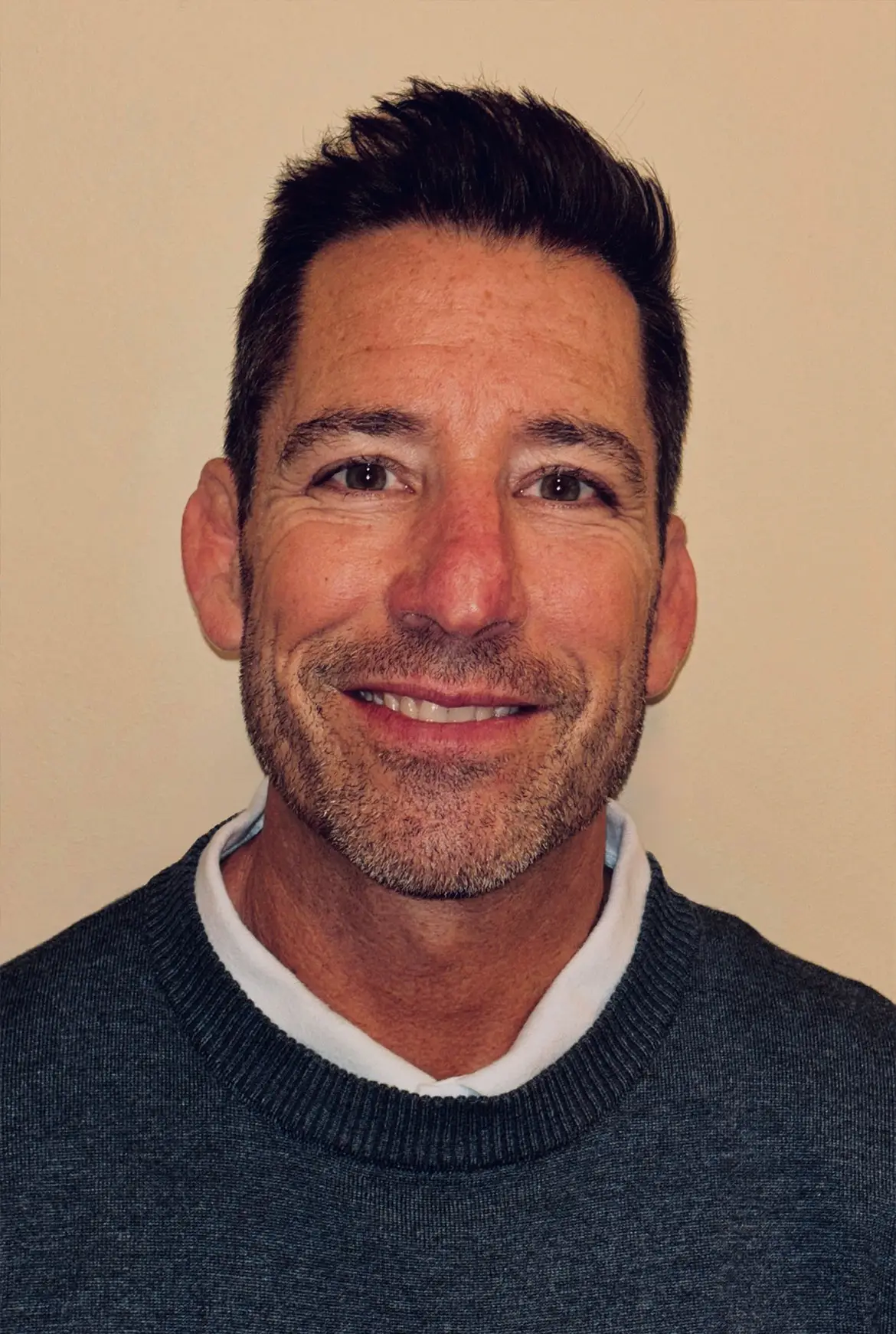
A wellness program is only as real as the people who turn up to lead it. These are Carrara’s, each with the title the team page gives them, and two more practitioners, Denise Willis and Lisa Koritsoglou, are listed alongside.
Trauma-informed yoga built on choice, where poses are invitations and touch is asked for first, with sound therapy and meditation to settle what the movement stirs.
Paced breathing you can use at three in the morning without anyone’s help, and quiet, light-touch reiki that many people use simply to rest.
Guided meditation in a small group or alone, with reiki offered as a still, quiet session for people who find sitting with their own thoughts hard at first.
One-to-one training in the house gym, starting from whatever your body can do this week and paced with the medical team.
Chiropractic care for bodies that arrive carrying old injuries and new tension, booked around the clinical day like everything else here.
In order, because the order is the safeguard.
Your therapists and the medical team write the treatment plan before any wellness session goes on the calendar. Wellness fills the hours around it, never the other way round.
During detox the medical team decides which sessions are safe for you, and the gentler ones come first. Nobody is sent to the gym while their body is still withdrawing.
Once you’re steady, yoga, meditation, bodywork and training are placed across the week around your appointments. What’s included in your stay, and how often, is confirmed with admissions before you arrive.
Your aftercare plan names the practices that worked, so the breathing you learned here and the morning routine come home with you, in writing.
The house stands on the sand, and the stairs from the deck go straight down to Broad Beach. A walk at the waterline between appointments isn’t a reward. It’s movement and daylight, two things a body in early recovery has usually gone without, a few steps from a house where medical staff are on site during detox and your therapist’s next session is already booked.
Ericka Schaeffer’s training sessions use the gym in the house, and outdoor and adventure therapy takes the group further afield when the clinical team agrees. The Malibu beach house page shows the deck, the stairs and the sand.
The wellness week is one part of how Carrara looks after the body during treatment. The spa and the kitchen are the other two.
The practitioner-led week described above: yoga, sound, breathwork, reiki, craniosacral work, acupuncture, a chiropractor and a personal trainer, scheduled around your therapy.
Spa Director Crystal Webb’s menu of massages, facials, body treatments and the salon, booked around your clinical schedule.
How Chef Ross cooks for a table of six from a plan written for you, and what a holistic diet means in practice.
Trauma-informed yoga, sound therapy, meditation, breathwork, reiki, craniosacral therapy, acupuncture, chiropractic care, and one-to-one personal training, each led by one of the seven practitioners named on this page. Spa treatments and nutrition have pages of their own.
Yes. The holistic wellness program runs at the Malibu house on Broad Beach, led by the practitioners named on this page.
No. The clinical plan is the part that isn’t optional; the wellness sessions are offered, and chosen with your team. Each one can be scaled to where your body is this week.
They’re not a treatment for addiction on their own. They’re rest and regulation offered beside the treatment itself: the therapy, medical care and psychiatry described on the clinical program page. Many people find they sleep better and settle faster with them in the week.
Depending on your plan, insurance can help with a portion of the cost of residential treatment. It’s the insurance companies, not Carrara, that choose which plans contribute, and the list changes frequently, so admissions reviews your plan with you; the insurance coverage page has more.
Call and ask which practitioners you’d see, how the sessions fit around therapy and what’s included in your stay. Admissions answers directly and in confidence, and should this house not be the right fit for you, you’ll hear that too.
If this is an emergency, call 911. For free confidential support 24 hours a day, call or text 988.
This page is general information, not medical advice.