Fraud Blocker

CARRARA TREATMENT / ADDICTION EXPERTS

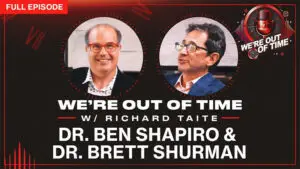
The Truth About Addiction: Dr. Ben Shapiro & Dr. Brett Shurman Break It Down

EPISODE 61|56 min
Home/Addiction Experts/The Truth About Addiction: Dr. Ben Shapiro, MD & Dr. Brett Shurman, MD on t...

Episode Takeaways

  • Addiction is not just a chemical dependency — it is a disorder of self-knowledge rooted in unexamined trauma and emotional pain. Treatment that does not address why a patient used a substance will not produce durable recovery.
  • The fentanyl crisis has changed the mortality calculus of all street drug use. Any pill purchased outside a licensed pharmacy now carries lethal risk regardless of what the buyer believes they are taking.
  • Accelerated TMS protocols have achieved remission rates for treatment-resistant depression that no prior pharmacological approach has matched — and the application to addiction circuits is an active and promising area of clinical investigation.
  • The therapeutic alliance between clinician and patient is the single strongest predictor of treatment outcome — including pharmacological outcomes. Patients who feel genuinely connected to their physician achieve measurably better results.
  • Enabling behaviors from families — however well-intentioned — are a clinical variable in addiction. Setting strict limits is not a failure of love; it is often the mechanism by which treatment becomes possible.

About This Episode

Addiction is not simply a disorder of chemistry — it is a disorder of self-knowledge, shaped by trauma, reinforced by misdiagnosis, and increasingly lethal due to the fentanyl crisis that has made every street drug a potential death sentence. In this episode of We’re Out of Time, host Richard Taite sits down with two Carrara Treatment psychiatrists — Dr. Ben Shapiro, MD and Dr. Brett Shurman, MD — for one of the most clinically direct conversations the podcast has produced.

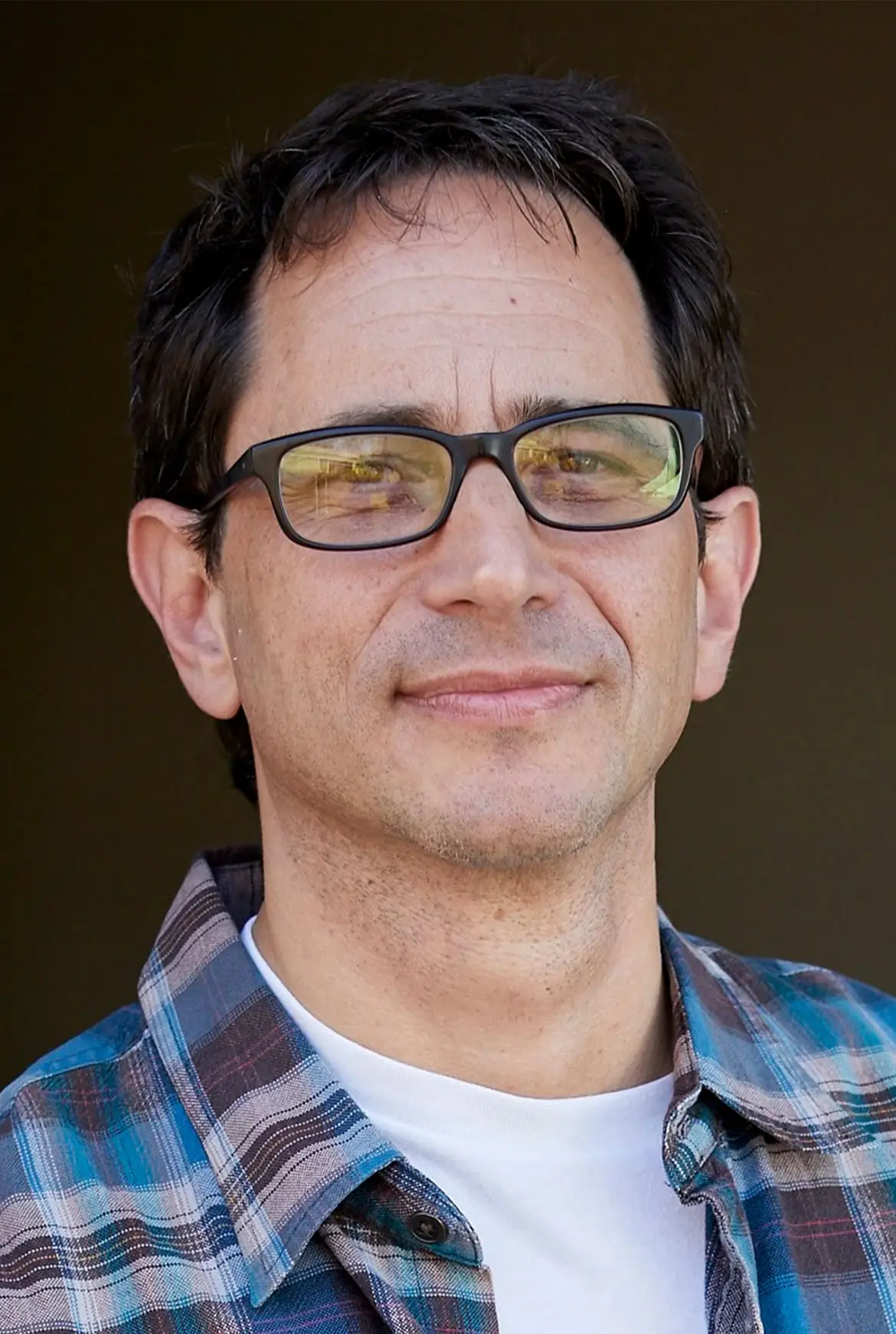
Dr. Ben Shapiro, MD is a board-certified psychiatrist, geriatric psychiatrist, and addiction medicine specialist. He studied neurobiology at Cornell University and completed his medical training and psychiatric residency at UCLA, where he later served as Assistant Professor in Psychiatry at the UCLA School of Medicine. He is certified by the American Society for Adolescent Psychiatry, has served as Clinical and Medical Director for multiple eating disorder programs, and is currently Chief Medical Officer at Pacific Neuromodulation and a treating physician at Carrara Treatment. He has contributed chapters to Andrew Weil’s Integrated Addiction and Recovery and the Oxford Geriatrics textbook, and is active in psilocybin research at UCLA.

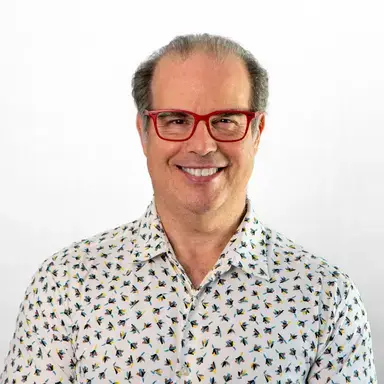
Dr. Brett Shurman, MD graduated Magna Cum Laude from Yale University, earned his medical degree from the University of Pennsylvania, and completed his psychiatry residency at UCLA. He holds board certifications in psychiatry and addiction medicine, completed two National Institute of Mental Health postdoctoral research fellowships at UCLA, and received the NARSAD award for research excellence. He is CEO of Pacific Neuromodulation and brings over 25 years of clinical experience treating treatment-resistant psychiatric patients in Los Angeles.

The conversation covers what two decades in addiction medicine looks like from the inside — the fentanyl deaths, the misdiagnosed patients, the families who don’t understand the disease — and how emerging tools like TMS, combined with rigorous psychiatric care and trauma-informed therapy, represent the next frontier of durable addiction treatment.

Key Insights

Addiction Is a Disorder of Self-Knowledge, Not Just Chemistry — Two Physicians on What Most Treatments Miss

▶ 18:00

Dr. Shapiro and Dr. Shurman open with a framework that runs through the entire conversation: addiction is not reducible to brain chemistry, and treatments that address only the neurochemical dimension without understanding why a specific person used a specific substance are structurally incomplete. Dr. Shurman describes routinely asking patients what the drug was doing for them at the beginning — before the addiction took over — because that question reveals the emotional problem the substance was originally solving. Dr. Shapiro argues that most people in active addiction don’t know why they are using; they have been lying to themselves for so long that the lie feels like reality. The clinical intervention, in their view, is not just detox or pharmacological stabilization — it is helping the patient see, often for the first time, the unexamined narrative that has been running their life. This requires a therapeutic relationship of sufficient depth and duration to surface what the substance was masking. Without it, sustained recovery remains structurally impossible.

“Addiction isn't just a relationship with the drug. It's a relationship with yourself.”

The Fentanyl Crisis Has Changed the Mortality Calculus of Every Substance, Not Just Opioids

▶ 11:00

Dr. Shurman describes losing count of the number of fentanyl-related deaths in his patient population — accidental overdoses, none of them suicides, among people who often didn’t know they were ingesting fentanyl at all. The critical distinction he draws is structural: heroin addiction always carried mortality risk, but the risk was bounded by tolerance — users built it over time and calibrated dosing accordingly. Fentanyl eliminates that margin. Pills sold as Vicodin, Xanax, and even marijuana are now frequently contaminated with fentanyl concentrations lethal to anyone without an existing opioid tolerance. The population dying is no longer limited to long-term opioid users — it includes high-functioning young people who take a single pill at a concert or party. Dr. Shapiro adds that the clinical response must account for this: the urgency to get patients into effective treatment is no longer about quality of life or long-term health outcomes. It is about preventing death in the immediate term.

TMS and the New Frontier of Addiction Neurology — What Accelerated Protocols Can Do That Medication Alone Cannot

▶ 04:00

Dr. Shurman and Dr. Shapiro are co-founders of Pacific Neuromodulation, a TMS clinic network, and much of their clinical excitement in this episode centers on the Stanford SAINT protocol — an accelerated TMS approach that achieved remission rates above 90 percent in some treatment-resistant depression cohorts, compared to the 30 to 50 percent historically achieved by antidepressants. What they find most applicable to addiction treatment is TMS’s ability to target specific brain circuits — impulsivity networks, reward circuits, and the anxiety pathways that drive substance use as emotional regulation — rather than systemic pharmacological intervention. They argue that addiction has multiple underlying circuit-level drivers that vary by patient: some patients are using to suppress anxiety, others to blunt the reward deficit of depression, others to manage impulsivity disorders. Multi-site TMS protocols can address several of these simultaneously. The limitation is access: TMS equipment costs over $100,000, insurance covers it only for depression, and most addiction clinicians have little familiarity with its current capabilities.

The Therapeutic Alliance Is the Active Ingredient — Research and Experience Agree

▶ 30:00

One of the episode’s most clinically grounded moments comes when Dr. Shurman describes a UCLA study demonstrating that among patients receiving identical psychiatric medications, outcomes were 25 percent better for patients who rated their relationship with their physician as connected. The drug was the same. The dosage was the same. The variable was the quality of the therapeutic relationship. Both physicians draw a direct line from this finding to their own clinical practices: Dr. Shurman states that if he doesn’t have a genuine connection with a patient, he will refer them out, because caring for someone you can’t reach is not just ineffective — it may actively impede their recovery. This is not a soft clinical preference. It is a documented predictor of outcome that mainstream psychiatric training has historically underweighted. In addiction treatment, where patients typically arrive with profound attachment wounds and deep distrust of authority, this variable is arguably more predictive of success than any specific pharmacological or therapeutic modality.

Families Misunderstand the Disease — and That Misunderstanding Enables It

▶ 35:00

Dr. Shapiro articulates what both physicians identify as the single most important thing families don’t understand about addiction: in a healthy family system, when a member is struggling, the correct response is to help them. With addiction, the correct response is structurally the opposite — strict limits, clear consequences, and a refusal to provide resources that enable continued use. The paradox is that the behaviors that feel like love — covering rent, providing bail, making excuses — are clinically documented to delay entry into treatment and extend the duration of active addiction. The patient, in active addiction, has diminished capacity for autonomous decision-making. Someone in their life must exert will in place of the will the disease has temporarily removed. The hardest part of this for families, Dr. Shapiro notes, is that it requires them to do the thing that feels least like care in order to provide the most care.

Clinical Context

The neuroscience of addiction has shifted decisively over the past decade. What was once characterized primarily as a behavioral and moral failure is now understood to be a disorder of overlapping neural circuits — the reward pathway, the prefrontal regulatory system, and the stress-response architecture that governs how the brain responds to threat, loss, and unresolved emotional pain. As Dr. Shapiro and Dr. Shurman make clear in this episode, treating addiction without understanding which circuits are dysregulated in a specific patient, and why, is treating the surface while leaving the root system intact.

The fentanyl crisis has added an urgent mortality dimension that separates this moment from every prior era of substance use. Unlike heroin, where the lethal dose and the recreational dose were separated by a margin that allowed for tolerance-building, fentanyl and its analogs have effectively collapsed that margin. Pills purchased online or on the street — including counterfeit Xanax, Vicodin, and even marijuana — are increasingly contaminated with fentanyl at concentrations that are lethal to anyone without an opioid tolerance. The result is that casual, experimental, and recreational use now carries a Russian roulette quality that did not exist even five years ago. The CDC reported more than 70,000 fentanyl-involved overdose deaths in 2023, the majority of which were unintentional. Clinicians working in addiction medicine are not abstracted from this reality — they are losing patients to it.

Transcranial Magnetic Stimulation (TMS) has emerged as one of the most significant advances in treatment-resistant psychiatric care in the past decade. Originally approved by the FDA for major depressive disorder, TMS uses focused magnetic fields to stimulate or inhibit specific cortical circuits — non-invasively, with minimal side effects, and without the cognitive risks associated with electroconvulsive therapy. The Stanford Accelerated Intelligent Neuromodulation Therapy (SAINT) protocol, which emerged from research published in 2020 and received FDA clearance in 2022, demonstrated remission rates above 90 percent in some cohorts, within days of treatment — a result that no prior antidepressant regimen had approached. The application of TMS to addiction circuits is now an active area of clinical investigation, with evidence building for its effectiveness targeting impulsivity networks, reward circuits, and the anxiety pathways that drive substance use as self-medication.

The therapeutic alliance — the quality of the relationship between clinician and patient — has been consistently identified in meta-analyses as the single strongest predictor of treatment outcome, across modalities and diagnostic categories. Research cited in this episode suggests that patients who rate their relationship with their psychiatrist as connected achieve outcomes approximately 25 percent better than patients receiving the same medication or therapeutic protocol from less relationally engaged providers. This is not peripheral to addiction treatment. It is the mechanism by which everything else works.

About the Guest

Dr. Ben Shapiro

Dr. Ben Shapiro

MD - Addiction Psychiatrist, Chief Medical Officer

Carrara Treatment / Pacific Neuromodulation

Dr. Ben Shapiro, MD is a board-certified psychiatrist, geriatric psychiatrist, and addiction medicine specialist based in Los Angeles. He studied neurobiology at Cornell University and completed his medical degree, psychiatric residency, and subspecialty training in geriatric psychiatry at UCLA, where he later served as Assistant Professor in Psychiatry at the UCLA School of Medicine. He holds board certifications in psychiatry, geriatric psychiatry, and addiction medicine, and is certified by the American Society for Adolescent Psychiatry. Dr. Shapiro has served as Clinical and Medical Director for multiple eating disorder programs across Los Angeles, training medical students, residents, fellows, and nursing staff at academic medical centers throughout his career. He has contributed chapters to Andrew Weil's Integrated Addiction and Recovery and the Oxford Geriatrics textbook, and is active in ongoing psilocybin research at UCLA. He is currently Chief Medical Officer at Pacific Neuromodulation, co-founder of a multi-site TMS clinic network with locations in Pasadena and Westlake Village, and a treating psychiatrist at Carrara Treatment, Wellness & Spa. His clinical practice spans complex psychiatric presentations, eating disorders, geriatric psychiatry, and substance use disorders, with a focus on treating the underlying emotional and psychological conditions that drive addictive behavior.

Dr. Brett Shurman

Dr. Brett Shurman

MD - Addiction Psychiatrist, Chief Executive Officer

Pacific Neuromodulation / Private Practice, Los Angeles

Dr. Brett Shurman, MD is a board-certified psychiatrist and addiction medicine specialist with over 25 years of clinical experience in Los Angeles. He graduated Magna Cum Laude from Yale University with a degree in psychology and earned his medical degree from the University of Pennsylvania School of Medicine. He completed his psychiatry residency at the UCLA Neuropsychiatric Institute and Hospital, followed by two competitive postdoctoral research fellowships funded by the National Institute of Mental Health at UCLA, including a psychopharmacology fellowship. He received the NARSAD (National Alliance for Research on Mental Illness) award for research excellence. Dr. Shurman holds board certifications in psychiatry (2000) and addiction medicine (2011), is a licensed buprenorphine provider, and became a certified TMS provider in 2024, joining the Clinical Transcranial Magnetic Stimulation Society. He has maintained a private practice in Los Angeles since 2000, specializing in treatment-resistant psychiatric conditions including depression, anxiety, bipolar disorder, schizophrenia, eating disorders, and substance use disorders. He is CEO of Pacific Neuromodulation and a treating psychiatrist at Carrara Treatment. His clinical approach centers on strong therapeutic alliances, individualized psychopharmacology, and integrating emerging neuromodulation technologies into addiction and psychiatric care.

Frequently Asked Questions

CONFIDENTIAL CONSULTATION

Take the First Step

Carrara Treatment, Wellness & Spa offers personalized care. Consult a clinician to explore your options.

(888) 383-5207Contact Us

Episode Details

  • Episode: 61
  • Duration: 56 min
  • Published: December 2, 2025

FEATURED GUEST

Featured Guests

Dr. Ben Shapiro

Dr. Ben Shapiro

MD

Dr. Brett Shurman

Dr. Brett Shurman

MD

CARRARA TREATMENT

More Episodes

CARRARA TREATMENT, WELLNESS & SPA

Confidential Consultation Available

Carrara Treatment, Wellness & Spa offers personalized care. Consult a clinician to explore your options.