Fraud Blocker

CARRARA TREATMENT / ADDICTION EXPERTS

Dr Fong's Mind-Blowing Technique for Making Patients Feel Comfortable

EPISODE 42|37 min
Home/Addiction Experts/Addiction and Co-Occurring Disorders: Dr. Timothy Fong, MD on Integrated Treatme...

Episode Takeaways

  • Patients consistently identify the absence of judgment and the presence of genuine clinical connection as the primary reason they remain in treatment and engage fully in recovery.
  • Sustained recovery depends on four domains being in place simultaneously — home, health, purpose, and community — with purpose and community the areas most often underfunded by treatment programs.
  • The rise in co-occurring disorders is driven by converging forces: social isolation, smartphone use beginning around 2011, COVID-19, and more pharmacologically complex substances producing psychiatric presentations clinicians rarely saw a decade ago.
  • Lethal emotional pain is a clinical reframe of suicidality that Dr. Fong uses to build personalized emergency action plans with patients before a crisis occurs, rather than responding to one after the fact.
  • Addiction is a mental health condition and requires the same integrated biopsychosocial-spiritual treatment model — not the siloed, sequential approach that persists in many programs as a vestige of decades-old funding structures.

About This Episode

Co-occurring disorders — also called dual diagnosis — refer to the simultaneous presence of a substance use disorder and one or more mental health conditions in the same individual, a combination that is increasingly the clinical norm rather than the exception in addiction treatment. According to SAMHSA, more than half of adults with a substance use disorder also meet criteria for a mental health condition, and the severity of each tends to amplify the other when left unaddressed. In this episode of We’re Out of Time, host Richard Taite speaks with Dr. Timothy Fong, a Professor of Psychiatry and Biobehavioral Sciences at UCLA’s Semel Institute for Neuroscience and Human Behavior and one of the country’s most recognized voices in addiction psychiatry.

Dr. Fong has spent more than 27 years at UCLA studying and treating addictive disorders, with particular expertise in substance use disorder, gambling disorder, and cannabis use disorder. He co-directs the UCLA Gambling Studies Program, directs the UCLA Center for Cannabis and Cannabinoids, and was elected incoming President of the American Academy of Addiction Psychiatry.

The conversation covers the qualities Dr. Fong’s patients consistently identify as the reason they stay in treatment — a non-judgmental, genuinely connected clinical relationship that does not preach, criticize, or offer false reassurance. He introduces his clinical framework for sustained recovery built around four domains: home, health, purpose, and community. The episode also addresses the sharp rise in co-occurring disorders over the past decade, the distinction between addiction psychiatry and addiction medicine, and the concept of lethal emotional pain — Dr. Fong’s preferred reframe for suicidality — along with how he builds personalized safety plans with patients before a crisis occurs.

Key Insights

What Makes Patients in Addiction Treatment Feel Safe Enough to Stay and Do the Work?

▶ 01:00

Dr. Fong describes the single most consistent piece of feedback he receives from patients across 27 years of clinical practice: that he does not judge, does not preach, and does not criticize. This quality, he argues, is not simply a personality trait but a deliberate clinical strategy — a commitment to building the genuine connectedness that his experience identifies as a predictor of treatment retention and outcomes. The therapeutic relationship, he explains, is not built on warmth as performance but on earnest engagement with the person in front of you. Patients and families can feel the difference between a clinician who is technically proficient and one who is genuinely present. This distinction has direct implications for treatment design and staffing. According to Dr. Fong, length of time in treatment correlates strongly with positive outcomes, and patients remain in treatment longer when they trust their clinical team. A non-judgmental, connected clinical relationship is not a soft variable — it is a measurable driver of the outcomes that matter most.

“My patients have always told me — they say you don't judge, you don't preach, you don't criticize. You're not our best friend, but you're someone we can relate to because you're talking to us in a genuine connectedness way.”

What Are the Four Domains of Recovery That Predict Long-Term Success?

▶ 14:07

Dr. Fong presents a clinical framework built around four domains he considers essential to sustained recovery: home, health, purpose, and community. When all four are in place, the conditions for lasting change are present. When one or more is absent, the risk of relapse or disengagement from treatment remains elevated regardless of the quality of clinical care received. Health in this framework encompasses both physical and mental health — nutrition, sleep, medical care, and psychiatric support. Home provides the environmental stability that clinical work requires to take root. Purpose — distinct from structure — gives recovery a meaningful direction beyond abstinence. Community provides the relational infrastructure that replaces the social networks built around substance use. Dr. Fong explicitly distinguishes purpose from structure, citing the principle that activity is not the same as achievement. A person can maintain a full residential schedule and have no purposeful direction at all. Investing in purpose and community, he argues, is where treatment programs most consistently fall short — and where he would direct resources first if given the choice.

“I think of four areas: home, health, purpose, and community. Because we all know when those four things click in, that's when it really works.”

Why Are Co-Occurring Disorders More Prevalent in Addiction Treatment Today Than a Decade Ago?

▶ 08:40

Dr. Fong identifies a convergence of forces behind the sharp rise in co-occurring mental health and substance use disorders observed in clinical practice over the past decade. Social isolation and loneliness — already rising before the pandemic, as documented by sociologist Robert Putnam in Bowling Alone — were exacerbated by COVID-19 and the normalization of smartphone-mediated social interaction beginning around 2011. These conditions created fertile ground for mental health deterioration that often predates a person’s first contact with a substance. Simultaneously, the substances in circulation have become markedly more potent and pharmacologically complex. High-concentration cannabis, fentanyl-contaminated supply chains, and stimulants of unusually high purity have produced psychiatric presentations — including cannabis-induced psychosis — that clinicians were not routinely treating 15 years ago. Dr. Fong notes that programs he consults with began embedding UCLA psychiatry residents on-site because the complexity of incoming patients had exceeded the scope of traditional addiction counseling — evidence that the clinical landscape has shifted faster than many treatment programs have been able to follow.

What Is 'Lethal Emotional Pain' and How Do Addiction Clinicians Address Suicidal Ideation?

▶ 20:20

Dr. Fong introduces the concept of lethal emotional pain — a term credited to Kevin Hines, a survivor of a Golden Gate Bridge attempt — as his preferred clinical framing for suicidality in patients with addiction and co-occurring conditions. The phrase describes the arc of a suicidal crisis: pain that begins at a manageable level and escalates, under the right circumstances, into something a person feels compelled to act on. Dr. Fong uses this language deliberately because it is more precise and more humane than standard diagnostic terminology, and it creates a different entry point for safety planning. In practice, Dr. Fong builds a personalized emergency action plan with every patient early in treatment — before a crisis, not in response to one. The plan is tailored to the individual: one patient designed a playlist of five songs from the 1980s, labeled in her phone for emergency use only. A plan the patient helped design, he argues, is far more likely to be executed during an actual crisis than a protocol imposed by a clinician.

“When they have what I call lethal emotional pain — we call it suicidality, but I like the term lethal emotional pain.”

How Does the Biopsychosocial-Spiritual Model Shape Integrated Addiction Treatment?

▶ 04:40

Dr. Fong describes the biopsychosocial-spiritual model as the organizing framework for addiction psychiatry at UCLA — an approach that addresses biological, psychological, social, and spiritual dimensions of a patient’s condition simultaneously rather than sequentially or separately. He is explicit that no single dimension is sufficient: prescribing medication without psychological support is inadequate, and directing a patient exclusively to 12-step meetings without clinical care is equally incomplete. The biological dimension, he explains, extends well beyond medication. Sleep, nutrition, and physical activity are biological interventions that addiction treatment programs have historically underutilized despite strong evidence of their impact on recovery outcomes. Practices such as sauna and cold exposure also fall within this category. The psychological dimension hinges on the therapeutic relationship — the genuine, non-judgmental connection that patients consistently identify as the foundation of effective care. Social and spiritual dimensions round out the model by addressing community, meaning, and the human need for connection that substance use disorders systematically erode over time.

Clinical Context

The clinical reality of addiction treatment has shifted substantially over the past two decades. SAMHSA’s 2023 National Survey on Drug Use and Health estimated that 21.5 million adults in the United States experienced a co-occurring substance use disorder and mental illness in the past year — representing more than 43 percent of all adults with a substance use disorder. The convergence is not coincidental. Addiction and mental health conditions share neurobiological pathways, particularly in the prefrontal cortex’s reward circuitry and the hypothalamic-pituitary-adrenal stress-response axis. Each condition tends to worsen the severity and prognosis of the other when treated in isolation.

Dr. Fong traces the persistence of siloed treatment to structural and legislative history rooted in stigma: for decades, addiction programs and mental health programs in California operated under separate funding streams, separate regulatory bodies, and separate clinical philosophies. The California Office of Alcohol and Drug Programs and the Department of Mental Health did not merge until approximately ten years ago, and many programs still carry vestiges of that split — treating substance use and psychiatric conditions sequentially rather than together. The clinical consequence is that patients fall between systems, receiving neither integrated assessment nor unified care planning.

Integrated dual diagnosis treatment — the simultaneous clinical management of substance use disorder and co-occurring mental health conditions by a qualified clinical team — is recognized by SAMHSA as an evidence-based practice for behavioral health treatment. The model requires not only co-located services but a shared clinical philosophy: a willingness to address whichever symptoms are causing the most suffering, regardless of which condition is deemed primary.

At Carrara Treatment, Wellness & Spa, the clinical team conducts comprehensive psychiatric assessment as part of the intake process, ensuring that co-occurring diagnoses — whether mood disorders, anxiety disorders, trauma histories, or personality disorders — are identified and addressed alongside substance use treatment. Individualized treatment plans draw on addiction psychiatry, somatic therapy, and evidence-based psychological modalities selected on the basis of each client’s clinical history and presentation. Learn more about Carrara’s integrated treatment approach: https://carraratreatment.com/programs/

For families attempting to understand why previous treatment has not produced lasting results, Dr. Fong’s analysis offers a direct answer: programs that do not assess and address co-occurring mental health conditions are treating the presenting symptom rather than the clinical whole. The field has moved; not every program has moved with it. Selecting a residential program that employs board-certified addiction psychiatry and provides genuinely integrated care — not merely sequential care — is among the most consequential decisions a family can make. Contact the Carrara admissions team to explore how integrated psychiatric care is structured within the residential program.

About the Guest

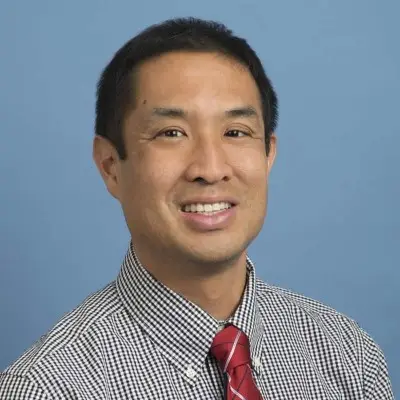
Dr. Timothy W. Fong

Dr. Timothy W. Fong

MD - Clinical Professor of Psychiatry; Co-Director, UCLA Gambling Studies Program; Director, UCLA Addiction Psychiatry Fellowship

Jane and Terry Semel Institute for Neuroscience and Human Behavior, UCLA

Timothy W. Fong, MD, is a Professor of Psychiatry and Biobehavioral Sciences at the UCLA Semel Institute for Neuroscience and Human Behavior, where he has been on faculty since 2002. He completed his medical education at Northwestern University, where he first encountered the concept of addiction as a brain disease in 1995, and subsequently completed his addiction psychiatry fellowship at UCLA. Dr. Fong serves as Co-Director of the UCLA Gambling Studies Program and Director of the UCLA Center for Cannabis and Cannabinoids — two of the most active addiction research units at any major research university in the United States. His clinical work focuses on treating patients with substance use disorders, gambling disorder, and co-occurring mental health conditions through an integrated biopsychosocial-spiritual model. He was elected to serve as President of the American Academy of Addiction Psychiatry, a professional society of approximately 1,500 addiction psychiatrists across the country. For more than 27 years, Dr. Fong has provided addiction psychiatry consultation, clinical care, and public education — teaching medical students, psychiatry residents, patients in recovery, and families. He is a recognized national voice on cannabis pharmacology, behavioral addictions, and the mental health consequences of social isolation and substance use.

Frequently Asked Questions

CONFIDENTIAL CONSULTATION

Take the First Step

Carrara Treatment, Wellness & Spa offers personalized care. Consult a clinician to explore your options.

(888) 383-5207Contact Us

Episode Details

  • Episode: 42
  • Duration: 37 min
  • Published: August 5, 2025

FEATURED GUEST

Featured Guest

Dr. Timothy W. Fong

Dr. Timothy W. Fong

MD

CARRARA TREATMENT

More Episodes

CARRARA TREATMENT, WELLNESS & SPA

Confidential Consultation Available

Carrara Treatment, Wellness & Spa offers personalized care. Consult a clinician to explore your options.

Call Now - Confidential, 24/7 (888) 383-5207