October 7, 2023
Last updated on August 21st, 2026 at 12:00 am
How Does Fentanyl Function in Surgical Settings?
Fentanyl is a potent synthetic opioid analgesic widely used in medical settings for pain management and anesthesia. It is particularly effective in surgical procedures due to its rapid onset and ability to provide significant pain relief. Fentanyl works by binding to opioid receptors in the brain and spinal cord, blocking pain signals and inducing a state of relaxation and euphoria. Understanding the dosage guidelines for different forms of fentanyl is crucial for its effective use.
In surgical settings, fentanyl is commonly administered intravenously or intramuscularly, allowing for precise control over dosage and rapid adjustment based on the patient’s response. Its use is carefully monitored by medical professionals to ensure patient safety and comfort. Fentanyl’s versatility also allows it to be used as a pre-operative medication to help patients relax before surgery or as an adjunct to anesthesia to enhance pain control during the procedure.
What Are the Various Forms and Strengths of Fentanyl?
Fentanyl comes in several formulations designed to address different medical needs, ranging from chronic pain to acute surgical use. Each form varies in how quickly it acts, how long it lasts, and how it should be administered for safe and effective pain control.
1. Transdermal Patches
Fentanyl patches deliver medication steadily through the skin over 72 hours, with strengths ranging from 12 to 100 micrograms per hour. They are ideal for managing persistent, chronic pain in opioid-tolerant patients and reduce the need for frequent dosing.
2. Nasal Spray
Nasal sprays provide fast-acting relief for breakthrough pain, especially in cancer patients. Each spray typically delivers 50 to 400 micrograms, entering the bloodstream rapidly through the nasal mucosa, offering near-instant effects for severe pain episodes.
3. Tablets (Buccal/Sublingual)
These tablets dissolve under the tongue or against the cheek, allowing fentanyl to be absorbed directly into the bloodstream. Available in strengths from 100 to 800 micrograms, they are commonly used for breakthrough pain in patients already on opioid therapy.
4. Lozenges
Lozenges, also known as oral transmucosal fentanyl citrate (OTFC), provide gradual pain relief as they dissolve in the mouth. Doses range from 200 to 1,600 micrograms and are typically prescribed for opioid-tolerant individuals experiencing breakthrough cancer pain.
5. Injection (IV/IM)
Injectable fentanyl is most commonly used in hospital settings for anesthesia and acute pain management. Administered intravenously or intramuscularly, it has a concentration of 50 micrograms per milliliter, offering precise control over dosage during procedures.
| Form | Administration Method | Typical Dose Range | Onset of Action | Primary Use Case |
|---|---|---|---|---|
| Transdermal Patch | Applied to skin (absorbed transdermally) | 12–100 mcg/hour (over 72 hours) | 12–24 hours | Chronic pain in opioid-tolerant patients |
| Nasal Spray | Sprayed into nostrils | 50–400 mcg per spray | 5–15 minutes | Breakthrough pain (e.g., cancer-related) |
| Buccal/Sublingual Tablet | Placed under tongue or in cheek | 100–800 mcg per tablet | 15–30 minutes | Breakthrough pain in opioid-treated patients |
| Lozenge (OTFC) | Dissolved slowly in the mouth | 200–1,600 mcg per lozenge | 20–40 minutes | Breakthrough cancer pain (opioid-tolerant patients) |
| Injection (IV/IM) | Intravenous or intramuscular injection | 50 mcg/mL (titrated per procedure) | 1–5 minutes (IV), 7–15 minutes (IM) | Surgical anesthesia or acute pain management |
Notes:
-
mcg = micrograms
-
Onset times are approximate and can vary depending on individual physiology and context of use.
How Is Fentanyl Dosage Determined for Surgery?
Determining the appropriate fentanyl dosage for surgery involves several factors, including the patient’s age, weight, medical history, and the type and intensity of the surgical procedure. Medical professionals use these factors to tailor the dosage to each patient’s needs, ensuring effective pain management while minimizing the risk of side effects.
Fentanyl dosage is typically calculated based on the surgical intensity. For minor procedures, a lower dose of 2 mcg/kg is used, while major surgeries may require doses ranging from 2–20 mcg/kg. In cases of open-heart or major neurological surgeries, doses can range from 20–50 mcg/kg, often necessitating postoperative ventilation due to significant respiratory depression.
What Are the Potential Side Effects and Risks of Fentanyl?
While fentanyl is highly effective for pain management and sedation during surgery, it does carry potential side effects and risks. Common side effects include nausea, dizziness, and respiratory depression. When used properly and monitored closely by medical professionals, the benefits of fentanyl during surgery generally outweigh these risks.
However, due to its potency, fentanyl should only be administered by trained healthcare professionals. Overdose and respiratory depression are significant risks, particularly if the dosage is not carefully controlled. Patients with a history of opioid use or those who are opioid-naïve may be at higher risk for adverse effects.
How Is Fentanyl Monitored During Surgery?
Monitoring fentanyl use during surgery is crucial to ensure patient safety and effective pain management. Medical professionals continuously monitor vital signs, including heart rate, blood pressure, and oxygen saturation, to assess the patient’s response to the medication. Adjustments to the dosage are made as needed to maintain optimal sedation and pain control.
In addition to vital sign monitoring, healthcare providers are vigilant for signs of respiratory depression, a common risk associated with opioid use. Naloxone, an opioid antagonist, is often kept on hand as a rescue medication in case of opioid-induced respiratory depression. This proactive approach helps mitigate risks and ensures a safe surgical experience for the patient.
What Are the General Principles of Fentanyl Use in Medical Procedures?
The use of fentanyl in medical procedures is guided by several general principles to ensure patient safety and effective pain management. These include careful dosing, vigilant monitoring, and special adjustments based on patient-specific factors.
1. Individualization
Fentanyl dosing must be tailored to each patient’s unique characteristics, including age, body weight, overall health, the nature of the procedure, and any history of opioid use. This personalized approach minimizes risk and ensures effective pain control during and after surgery.
2. Titration
Clinicians begin with the lowest effective fentanyl dose and increase it gradually based on patient response. This careful titration helps prevent overdose, enhances comfort, and allows for precise control of sedation and analgesia throughout the procedure.
3. Monitoring
Continuous monitoring of the patient’s vital signs—such as heart rate, oxygen saturation, and respiratory rate—is crucial during fentanyl administration. This is especially important when using intravenous routes to quickly detect and respond to potential adverse effects.
4. Special Populations
Elderly patients, those with frail health, and individuals who are opioid-naïve require extra caution. Lower initial doses and slower titration are advised to reduce the risk of respiratory depression and other complications in these vulnerable groups.
5. Rescue Medication
Facilities must have naloxone or a similar opioid antagonist immediately available when using fentanyl. In cases of respiratory depression or overdose, prompt administration of rescue medication can be life-saving and is a standard precaution in medical settings.
What Makes Carrara Rehab a Unique Choice for Addiction Treatment?
At Carrara Rehab, we offer an unparalleled addiction treatment experience that combines luxury, privacy, and personalized care. Our facility in Malibu, California, is designed for those who seek a discreet and comprehensive recovery journey in a serene environment. We cater to high-profile clients, ensuring confidentiality and comfort throughout the process.
Our approach integrates holistic and evidence-based therapies, providing a tailored treatment plan that addresses the unique psychological, emotional, and physical needs of each client. With ultra-luxury amenities and a high staff-to-patient ratio, Carrara Rehab stands out as a premier choice for those seeking a transformative path to wellness.
Who Can Benefit from Carrara Rehab’s Luxury Treatment?
Individuals who require a high level of privacy and confidentiality, such as celebrities and executives, will find Carrara Rehab an ideal fit. Our center is also perfect for those who desire to maintain their lifestyle while undergoing treatment, offering a holistic approach that includes therapies like yoga, acupuncture, and mindfulness practices.
We provide personalized care tailored to each client’s unique needs, ensuring comfort and luxury during one of the most challenging periods of their life. Our comprehensive wellness programs focus on long-term health and well-being, making Carrara Rehab a top choice for those who value both sobriety and overall wellness.
- Ultra-Luxury Amenities: Enjoy private rooms, gourmet meals, and state-of-the-art fitness facilities.
- Holistic Therapies: Benefit from cranial sacral therapy, sound baths, and aromatherapy.
- Personalized Treatment Plans: Experience a blend of evidence-based and holistic approaches.
Why Choose Carrara Rehab for Your Recovery Journey?
Choosing Carrara Rehab means opting for a recovery experience that feels more like a luxury resort than a traditional rehab facility. Our high-end amenities, personalized care, and discreet environment make us a top choice for those who can afford an ultra-luxury rehab experience. We offer not just sobriety but a transformative journey toward mental, physical, and emotional wellness.
Explore our luxury rehab centers, including The LA Carrara House, The Hollywood Hills Carrara House, and The Malibu Beach House, each offering a unique setting for your recovery.
Ready to Begin Your Transformative Journey?
Take charge of your recovery by joining our elite rehab program in Malibu. Immerse yourself in a sanctuary where clinical proficiency meets five-star comfort, ready to guide you toward renewed health and hope. Elevate your life today by embracing a journey that prioritizes your physical, mental, and emotional well-being. Take the first step toward a healthier future with Carrara Rehab.
- Streamlined Admission: Get started with a personalized, hassle-free intake designed around your needs.
- Aftercare Support: Benefit from an ongoing continuum of care, ensuring you have the resources and encouragement necessary to maintain your progress.
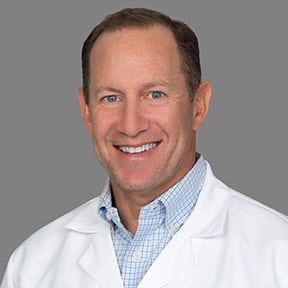
Senior Medical Officer, Carrara Treatment Wellness & Spa
Dr. Kenneth Spielvogel is a board-certified physician with nearly 30 years of clinical experience and a specialized focus on addiction medicine, metabolic health, hormonal optimization, and long-term recovery. As Senior Medical Officer at Carrara Treatment Wellness & Spa, he helps lead a physician-driven approach to recovery that integrates medical, psychological, and lifestyle interventions to support lasting healing.
A graduate of the George Washington University School of Medicine and residency-trained at the University of Colorado Health Sciences Center, Dr. Spielvogel is board-certified in Obstetrics and Gynecology. Throughout his distinguished career, he has cared for thousands of patients in areas including women’s health, hormone replacement therapy, fertility, prenatal care, minimally invasive surgery, and preventive medicine.
Witnessing the devastating impact of substance use disorders on patients and families inspired Dr. Spielvogel to expand his focus into addiction medicine. He has since dedicated years of continuing education and clinical practice to the treatment of substance use disorders, integrating evidence-based addiction care into both inpatient and outpatient settings.
Today, Dr. Spielvogel is particularly interested in the intersection of addiction medicine, metabolic health, and recovery. His work explores the role of GLP-1 therapies, hormonal health, exercise physiology, body composition, and biomarker-driven care in reducing cravings, improving overall health, and supporting sustainable recovery outcomes.
Known for his compassionate, patient-centered approach, Dr. Spielvogel believes in building strong relationships with those he serves, helping individuals make informed decisions about their health and recovery. Fluent in Spanish, he is committed to delivering culturally competent care to diverse patient populations.
Education & Credentials
- Medical Degree: George Washington University School of Medicine
- Residency: University of Colorado Health Sciences Center
- Board Certification: American Board of Obstetrics & Gynecology
Affiliations
- Senior Medical Officer, Carrara Treatment Wellness & Spa
- Consultant and Clinical Care Team Member, One Method Treatment Center
- MemorialCare Medical Group Long Beach
- Pediatrix Medical Group
Areas of Expertise
- Addiction Medicine
- Substance Use Disorder Treatment
- Medication-Assisted Treatment (MAT)
- GLP-1 Therapies and Recovery
- Hormonal Health & HRT
- Metabolic Health & Longevity
- Women’s Health
- Weight Management
- Recovery Planning & Relapse Prevention
- Family Education & Support
Credentials: MD, FACOG. California Physician and Surgeon license C55705 (Medical Board of California). Board certified in Obstetrics and Gynecology (American Board of Obstetrics and Gynecology). Member, American College of Obstetricians and Gynecologists. Clinical faculty, UC Irvine Department of Obstetrics and Gynecology, since 2016. NPI 1235104605.