February 7, 2024
Last updated on August 21st, 2026 at 01:12 am
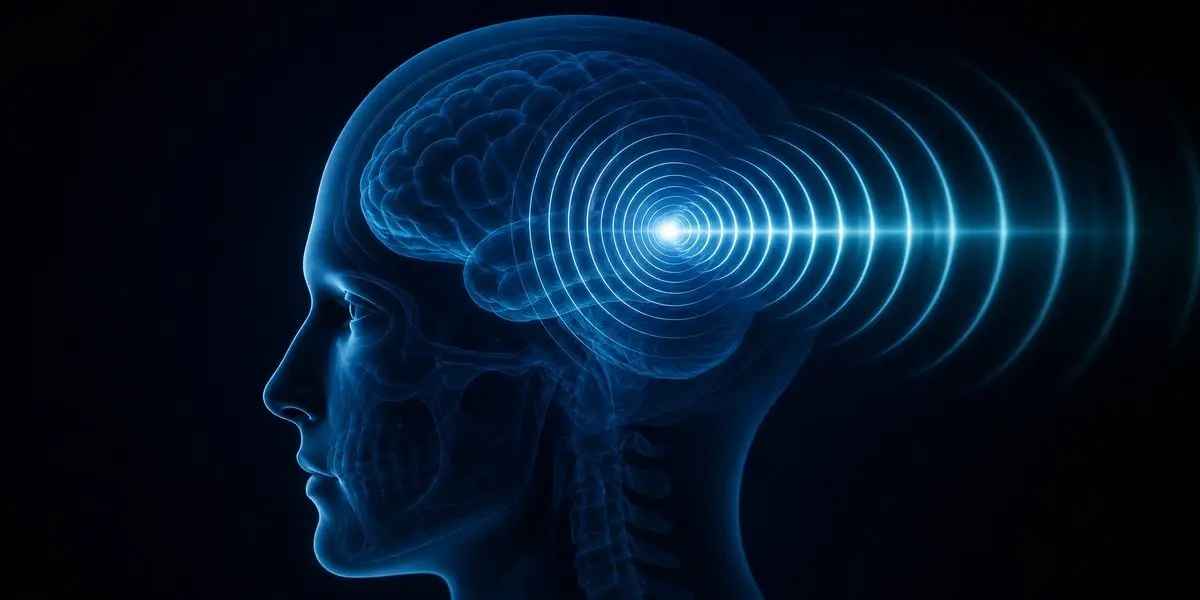
Transcranial Magnetic Stimulation, or TMS, is increasingly part of high-end addiction care as a noninvasive, drug-free way to support the brain during recovery. We will explain how TMS works, the conditions it is used for and the strength of the evidence behind each, how it can support long-term sobriety, and what sets Carrara’s approach apart. We will be clear about where TMS is firmly established, such as treatment-resistant depression, and where its use in addiction is still emerging, so expectations stay realistic. Throughout, the emphasis is on TMS as one part of a coordinated clinical plan rather than a standalone cure, working alongside therapy, psychiatry, and the daily skills practice that recovery from cravings and relapse actually requires.
How Is Transcranial Magnetic Stimulation Transforming High-End Addiction Recovery?
Transcranial Magnetic Stimulation (TMS) is changing luxury addiction care by offering a noninvasive, drug-free way to steady neural activity. It is not a treatment used in isolation but one that works inside a larger clinical plan addressing addiction and the conditions that frequently accompany it. In settings built for both comfort and technical rigor, TMS fits cleanly into high-level, evidence-based recovery programs that prioritize durable, long-term gains over quick fixes. Because it requires no medication and no downtime, it can be woven into a comprehensive program without disrupting the rest of a client’s care.
TMS is cleared by the U.S. Food and Drug Administration for major depression (first in 2008), obsessive-compulsive disorder, and smoking cessation, and a review of its regulatory clearances documents this expanding set of approved uses. At premier centers like Carrara Treatment, TMS is most valuable when standard therapy plateaus, helping clients regain momentum. By influencing reward circuits and the brain’s control networks, it can support sharper attention, steadier mood, and the mental stamina to follow an individualized plan, and that added clarity often matters most on the hardest days of early recovery.
- Personalized neuromodulation: Clinicians use neuronavigation to target the brain regions tied to mood, impulse control, and behavior for each client.
- Dual diagnosis fit: TMS is established for depression, with emerging use for PTSD and related conditions that often drive substance use.
- Craving support: Targeted pulses may help reduce cravings by modulating reward-related brain circuits, an effect still being studied in addiction.
- Faster therapy readiness: Clients often arrive more focused and emotionally steady, so talk therapy can work harder.
- Non-surgical comfort: No anesthesia, no downtime, and a discreet, wellness-aligned experience.
What Conditions Can TMS Effectively Treat in a Luxury Rehab Environment?
Cleared first for depression, TMS is now used to support the more complex mix of conditions often seen in high-end rehab, though the strength of the evidence varies by condition. It tends to work best when paired with other brain-based tools such as targeted neurofeedback therapy, linking measurable neural change to daily skills and private clinical care. The conditions below range from those where TMS is firmly FDA-cleared, like depression and OCD, to those where its role in addiction is promising but still emerging, and an honest program is clear about that distinction with every client.
1. Substance Use Disorder
For substance use disorder, TMS aims to engage the circuits involved in reward, cue response, and impulse control to help quiet the craving cycles that drive relapse. The evidence here is encouraging but still developing: a 2023 systematic review of neuromodulation therapies for substance use disorders found that approaches like TMS can reduce craving as part of a broader treatment plan, and a separate meta-analysis of rTMS for craving reported that more sessions were associated with greater craving reduction. Used this way, with sessions timed to a relapse-prevention plan and progress tracked, TMS can help clients hold the line during high-risk windows rather than serving as a cure on its own.
2. Major Depression
Depression is where TMS is best established, and it is FDA-cleared for major depressive disorder, including cases that have not responded to medication. Stimulating the mood-regulating circuits can lift stubborn symptoms when medications fall short or bring difficult side effects. As energy, focus, and sleep improve, the broader work of therapy and daily structure becomes far more achievable, and clients tend to participate more fully. For people in recovery, treating an underlying depression is not a side project, because untreated low mood is one of the most common drivers of relapse, and steadying it protects the rest of the treatment plan.
3. Anxiety and PTSD
By calming overactive fear circuits and strengthening top-down regulation, TMS may help reduce the hypervigilance, panic, and reactivity that can block progress, although its use for anxiety and PTSD specifically is still emerging rather than fully established. When startle responses ease and emotional flexibility improves, clients are often better able to engage in exposure work and difficult conversations, and sleep and attention tend to steady as well. Because trauma and anxiety so frequently underlie substance use, addressing them, even with adjunctive tools, can remove a major obstacle to lasting recovery.
4. Obsessive-Compulsive Disorder (OCD)
OCD is another FDA-cleared use for TMS, with protocols that target the networks behind intrusive thoughts and compulsive urges. As the balance in those circuits improves, clients can often delay rituals long enough to practice response prevention and tolerate the distress that drives them. Paired with structured exposure work and coaching, that small window of added control can build into real, durable habit change. For clients whose OCD and substance use feed each other, treating the OCD directly can ease a cycle that talk therapy alone has struggled to interrupt.
5. Treatment-Resistant Clients
For clients who have not responded well to therapy or medication, TMS offers another route that acts directly on brain circuits rather than systemically, which can mean fewer of the body-wide side effects that medications carry. Gentle, repeated magnetic pulses are used to help reset networks tied to mood and attention, and careful diagnostics with ongoing outcome tracking show whether the approach is actually working for that person. For people who have lost hope after repeated setbacks, a measurable, monitored path forward can restore both momentum and a sense of possibility.
In elite programs, TMS performs best inside a coordinated plan that includes skills training, sleep support, and consistent measurement. Paired with neurofeedback and therapy, the gains from individual sessions are far more likely to translate into daily change that clients can both feel and verify. That emphasis on measurement is not bureaucratic, because it keeps treatment honest, showing clearly whether TMS is helping so the plan can be adjusted rather than continued on faith.
How Does TMS Improve Long-Term Sobriety and Quality of Life?
Healing does not stop with detox or the first rounds of therapy. Lasting wellness also needs neurological support that helps sustain motivation, stability, and clarity through the long arc of recovery. TMS can contribute to that by supporting brain performance, especially when it sits inside a full clinical foundation built for long-term success rather than offered as a standalone procedure. The point is not a single dramatic change but a steadier baseline that makes everything else in the plan more achievable.
Clients frequently report clearer thinking, stronger goal-setting, and the persistence to hold onto the gains they have made. While individual results vary, this kind of mental shift can improve the odds of sustained abstinence and a more satisfying life after treatment. The value compounds over time, because a person who can think clearly, regulate emotion, and follow through on plans is far better equipped to handle the stresses that would otherwise threaten their sobriety in the months and years ahead.
- Improved emotional regulation: A wider emotional range supports steadier relationships and greater inner calm.
- Cognitive clarity and focus: Better decisions help clients spot triggers and avoid relapse with a clear strategy.
- More active participation: A stronger baseline mood increases willingness to engage with peers and recovery work.
- Increased autonomy: As executive function strengthens, daily routines and personal boundaries are easier to hold.
- Resilience against relapse: With improved plasticity, new behaviors can take root and begin to override old patterns.
What Sets Carrara’s TMS Experience Apart in Elite Rehab?
Carrara pairs TMS with a full luxury care model, so each plan is shaped around the individual rather than a fixed protocol. Sessions are coordinated with therapy, psychiatry, and wellness work, with progress tracked so the gains are measurable rather than assumed. This approach reflects Carrara’s clinical rigor and therapeutic philosophy, and it protects both privacy and pace, letting clients move through treatment at a rhythm that suits them. The result is neuromodulation delivered with the same care and discretion as the rest of the program.
- Integrated case management: Lead clinicians coordinate TMS with psychiatry, therapy, and wellness teams, adjusting protocols in real time. Neural response and behavior data guide the plan, keeping goals aligned and results documented.
- Luxurious continuum of care: After each session, clients receive targeted reinforcement such as coaching, neurofeedback, or breathwork. Timing and dose match session metrics, so progress compounds and skills hold between appointments.
- Discreet and personal: Flexible scheduling, private settings, and custom protocols let clients keep a low profile with top-tier care. Staff handle logistics, confidentiality, and transportation to protect comfort and limit disruption.
- Beyond common standards: FDA-cleared systems run under credentialed professionals who specialize in complex cases. Safety checks, motor threshold mapping, and outcome tracking exceed typical practice to protect clients and improve results.
- Neuro-optimal potential: The goal extends beyond symptom relief. TMS pairs with cognitive training and habits that support executive function, attention, and mood stability, so clients leave steadier and better prepared for life after treatment.
With precise coordination, strict privacy, and strong quality controls, Carrara’s TMS program is designed to turn neural gains into everyday wins. The aim is progress a client can both feel and measure, delivered by a team that guards discretion at every step. That combination matters most for the high-profile clients Carrara serves, who need to know that intensive, leading-edge care will never come at the cost of their confidentiality or their comfort, and that every protocol is chosen to support outcomes that last well beyond treatment.
What Makes Carrara’s TMS Program Different From Standard TMS?
At Carrara, TMS is not a bolt-on service. It is a customized neuromodulation track aligned with your therapy, psychiatry, and wellness plan from the start. Using neuronavigation, motor threshold mapping, and ongoing outcome tracking, the team focuses on the circuits that shape mood, cravings, and attention rather than applying a one-size-fits-all protocol. Sessions are private and comfortable, with scheduling that fits around your life, so progress fits your routine instead of forcing your routine to bend around treatment. That integration is what separates purposeful neuromodulation from a generic course of TMS.
How Do We Turn Neural Gains Into Real World Results?
Each treatment is linked to simple, repeatable steps you can put to use the same day, so the benefit does not stay locked in the treatment room. Your team coordinates skills practice, sleep support, and nutrition to help the gains hold between visits, and data steers the adjustments along the way. Any setbacks are addressed early rather than left to grow, which keeps momentum steady through the ups and downs of early recovery. The goal is a tight loop between what happens in a session and what changes in daily life.
- Precision targeting: Neuronavigation and careful mapping focus on reward, executive, and mood networks.
- Integrated care: TMS sessions are timed with therapy, medication management, and neurofeedback for compounding benefits.
- Dual diagnosis support: Protocols can address co-occurring depression, anxiety, PTSD, and OCD alongside addiction care.
- Craving reduction: Modulating cue reactivity may support relapse prevention and clearer decisions.
- Measured outcomes: Tracking sleep, mood, attention, and triggers verifies progress you can feel and see.
- Comfort and privacy: Non-surgical, no anesthesia, discreet settings, and flexible scheduling.
- Executive-friendly: In-person or hybrid formats with minimal disruption to work and family.
Ready to Start Your Recovery?
Our high-end, private addiction treatment is built to deliver discretion, comfort, and clinical effectiveness, so clients can recover with their dignity and lifestyle intact. Comprehensive, individualized care is delivered at our Malibu residence, where a quiet, private setting makes it easier to stay engaged with the plan. Take the first step today by reaching out to discuss how Carrara Treatment can support lasting recovery in a serene, discreet environment that accounts for the full picture of your life, including cravings, relapse risk, family dynamics, and the pressure to keep functioning while healing.
- Personalized clinical care: Treatment plans built around your specific history, goals, and clinical needs.
- Privacy and discretion: A confidential environment designed for clients who need their recovery protected.
- Holistic wellness support: Nutrition, fitness, mindfulness, and outdoor therapy integrated with evidence-based clinical care.

Britney Elyse, LMFT, is an experienced mental health professional and clinical leader with more than 15 years of experience in behavioral health, addiction treatment, and recovery services. She currently serves as Director of Compliance & Clinical Services at Carrara Treatment, Wellness & Spa, where she oversees the clinical team, treatment programming, staff development, documentation standards, and coordination of care with physicians and psychiatric providers.
Throughout her career, Britney has held leadership and clinical roles at respected treatment programs including Cliffside Malibu, Cast Recovery, The Hills Treatment Center, and Tarzana Treatment Centers. Her experience encompasses individual and family therapy, clinical assessment, treatment planning, case management, utilization review, and the development of trauma-focused programming.
Britney’s therapeutic background includes trauma-informed care, Somatic Experiencing, DBT, relapse prevention, family therapy, and stages-of-change interventions. She is passionate about creating thoughtful, individualized treatment plans while supporting clients and their families throughout the recovery process.
Britney earned her Master’s degree in Clinical Psychology with an emphasis in Marriage and Family Therapy from Antioch University and has pursued advanced training in Somatic Experiencing Therapy. Her approach combines compassionate client care with strong clinical leadership and a commitment to maintaining the highest standards of treatment.
Credentials: MA, LMFT. California Licensed Marriage and Family Therapist 90937 (Board of Behavioral Sciences). MA, Antioch University. Member, CAMFT.