Care at Carrara is run by a physician-led medical team and a licensed clinical team working from one written plan, in a house of six, and every credential on this page can be checked by you or your family.
Medical care at Carrara answers to one physician: Dr. Craig V. Smith, MD. He is Medical Director, his specialty board certification is Addiction Medicine (American Board of Preventive Medicine), his medical degree is from UCLA School of Medicine, and he moved into addiction medicine in 2009 after a career as a transplant surgeon.
That oversight is concrete. A physician evaluates you on your first day and writes the starting detox and medication plan; staff are on site through the night while you withdraw; psychiatrists on the team treat co-occurring conditions, from depression and anxiety to trauma and bipolar disorder, within the one plan that also covers the substance use; and medication is revised as you change.
Your path to recovery begins with a personalized plan, guided by clinical expertise and tailored to your individual needs at every stage.
A clinician takes your substance use, mental health and trauma history and what happened in earlier treatment; a physician completes the medical evaluation the same day.
A psychiatrist assesses mood, anxiety, trauma and any prescriptions you already hold, so co-occurring conditions are treated inside the plan rather than deferred to later.
Your primary therapist, the medical team and your case manager write one plan: three individual sessions a week with your assigned therapist, inside a month whose one-to-one clinical appointments can reach 80, plus groups and family sessions where they help.
The plan is reviewed as you go: medications adjusted, a therapy swapped where it isn’t working, and your family brought in with your consent.
Discharge planning starts during treatment, not in the final hour: continuing therapy, follow-up medical care and who you call, all settled before you go home.
The center of the program: one-to-one sessions with a primary therapist trained in the evidence-based methods your plan calls for, among them CBT, DBT, EMDR, CPT, TF-CBT and motivational interviewing. The therapies page explains each one.
Groups are capped at six because six is the whole house, and licensed clinicians lead them. Intervention support is there for families who need help getting someone to say yes to treatment; our guide to substance abuse interventions explains the options.
Family sessions and education for the people at home, timed by the plan, because the household learned the patterns too. Couples in treatment together get behavioral couples therapy layered on two individual plans.
Psychiatric care for co-occurring conditions and, where it’s indicated, medication-assisted treatment, which a physician decides on at evaluation. The MAT page explains the medications and their safety.
Somatic experiencing, grounding, art therapy and music therapy, each a scheduled session, for the material that talking alone doesn’t reach.
A case manager coordinates the practical side in weekly check-ins: leave from work, legal matters, outside appointments and the aftercare plan.
Your length of stay is settled at evaluation and revisited as treatment goes on, not read off a calendar.
Supervised withdrawal in your own suite, with medication when a physician indicates it, and medical staff on site day and night. Run by the Medical Director and the medical team.
Individual therapy, groups, psychiatry, family work and the wellness schedule, all from one written plan. Run by your primary therapist, under the Executive Clinical Director.
Continuing therapy, medical follow-up and alumni contact, settled before discharge. Run by your case manager and the alumni services director.
Not offered. Carrara is residential only, and if a day program would serve you better, admissions says so on the first call.
Carrara Treatment is a legitimate, licensed residential facility, and you don’t have to take our word for it. Carrara holds California DHCS license #191295AP as a licensed and certified residential facility, and the facility search on the DHCS website lets you confirm the license and its status.
Each accreditation and membership here can be checked at its source too, and admissions can take you through each one on the phone, including the question of whether a residential program is the right level of care for you.
The physicians, psychiatrists, Director of Nursing and clinical director who own the decisions in your plan, with the credentials each one holds as printed. Everyone who works with you, therapists and case management included, is listed on Carrara’s team page.
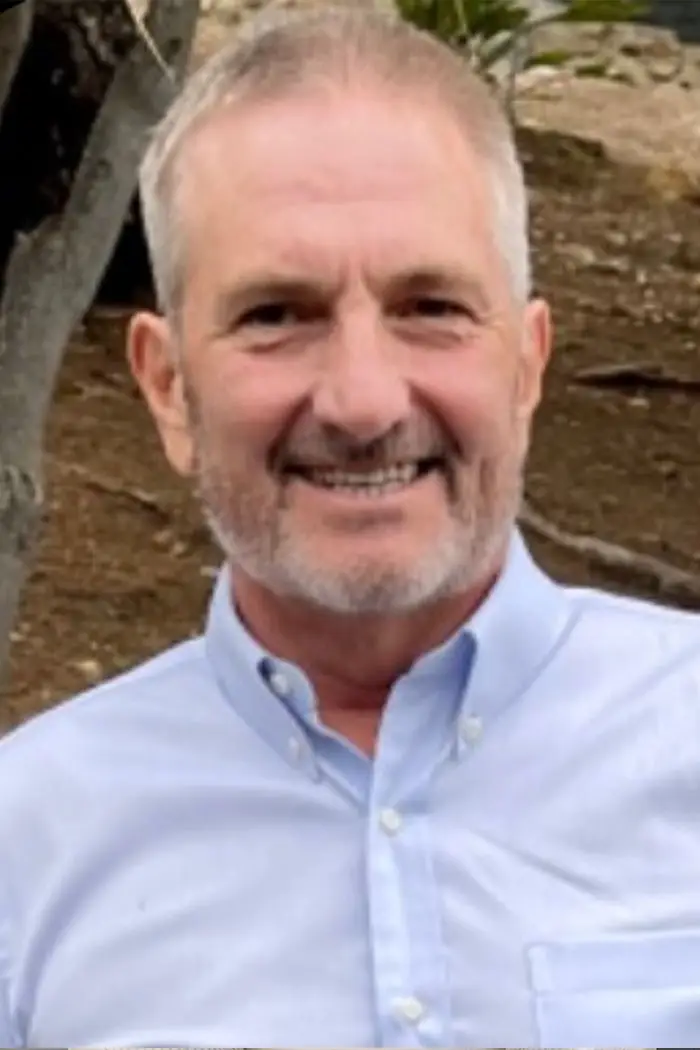
Board certified in Addiction Medicine by the American Board of Preventive Medicine, with an MD from UCLA School of Medicine. He moved into addiction medicine in 2009 after a career as a transplant surgeon.
Nearly 30 years of clinical experience, with his medical degree from George Washington University School of Medicine. Board certified in Obstetrics and Gynecology, and fluent in Spanish.
Trained in psychiatry at the UCLA Neuropsychiatric Institute after Drexel University School of Medicine. President of the California Society of Addiction Medicine.

Trained at Cornell and then UCLA, and formerly an Assistant Professor in Psychiatry at the UCLA School of Medicine. He treats co-occurring psychiatric conditions within the same plan as the substance use.
A board-certified Family Nurse Practitioner with an MSN from Chamberlain University. Before Carrara she worked at Miller Children’s and Women’s Hospital and at Kaiser Permanente.

Over 20 years in private practice in Los Angeles, with an MA in Clinical Psychology from Antioch University. Trained in ISTDP and couples therapy at the UCLA Neuropsychiatric Institute, and a member of CAMFT.

Mostly who is in the building and how often you see them: six clients at most, four team members, clinical and support, for every client, a team averaging 20,000 hours of clinical experience, and detox flowing into residential treatment in one house with no transfer. Facts you can check, not claims about results.
No. Carrara is residential only. If you need a day program, admissions tells you so on that first call and helps you find one.
Three individual sessions each week with the therapist assigned to you is the baseline, with psychiatry, medical rounds and groups around them, within a monthly ceiling of 80 individual appointments with clinicians. Your plan sets the exact mix.
A physician makes every medication decision, at evaluation and again as you change. Medication-assisted treatment is indicated for some people and not for others, and both answers are respected here.
Yes, with your consent. Family sessions and education are written into the plan where they help, and if you sign a release, one named person can be kept informed by admissions.
It can cover part of it, depending on which plan you hold. The insurance companies, not Carrara, decide which plans pay toward residential treatment, and that list shifts often. Admissions confirms what your own plan does. The insurance coverage page explains how.
Ask who would run your detox, which physician writes your medications and what the week actually holds. Admissions answers all of it in confidence, and will say if a different program would fit better.
If this is an emergency, call 911. For free confidential support 24 hours a day, call or text 988.
This page is general information, not medical advice.