January 13, 2025
Last updated on August 21st, 2026 at 01:12 am
Definition: Heroin eyes
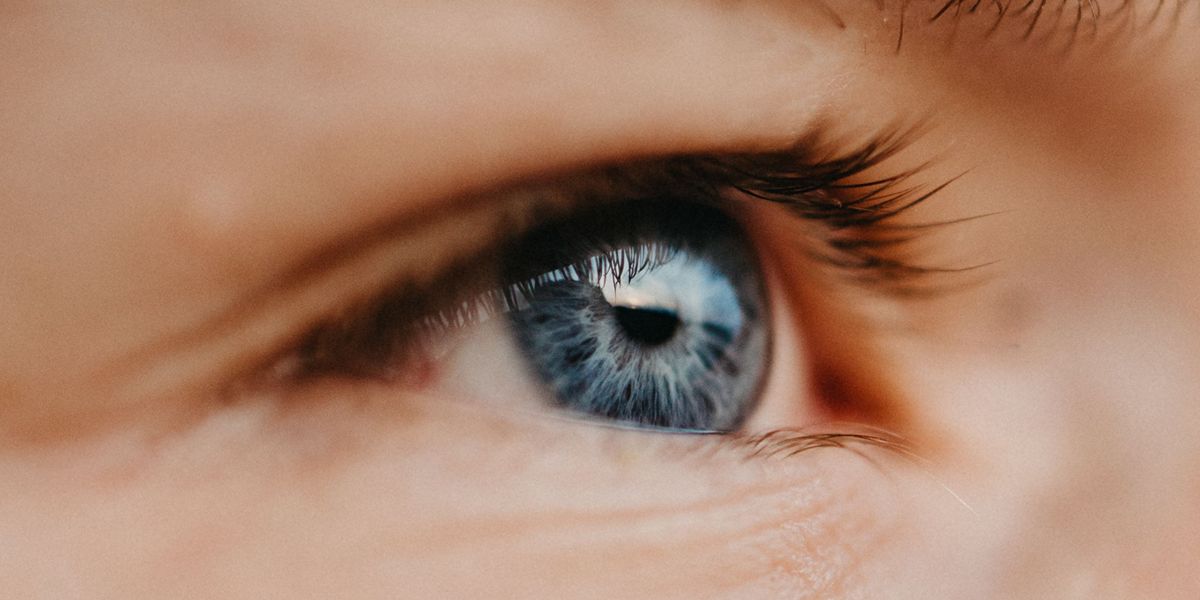
Heroin eyes refers to the cluster of ocular signs associated with opioid intoxication, most notably miosis (pinpoint pupils), chronic redness, and dark periorbital circles that impart a tired or sunken look. It can signal recent use, ongoing dependence, or complications requiring medical care.
While commonly linked to heroin, similar signs occur with other opioids and adulterants. Accurate identification relies on context, associated symptoms, and professional assessment to rule out other causes of small pupils or red eyes.
What do heroin eyes look like in real life?
Heroin eyes are typically defined by pinpoint pupils, persistent redness, and dark periorbital circles that create a tired, sunken appearance, which are hallmark signs consistent with broader opioid effects and addiction. Pupils remain abnormally small in normal light and may constrict further under bright light. Over time, repeated use can make these changes more constant and easier to notice.
Beyond the cosmetic look, heroin’s effect on ocular nerves and blood vessels drives functional problems, not just appearance. Chronic irritation, frequent rubbing, and poor hygiene heighten infection risks around the eyelids and within the eye, compounding the hallmark “heroin eyes” presentation seen by family, friends, and clinicians.
What is miosis, and why do pinpoint pupils happen?
Miosis refers to the abnormal constriction of the pupils, a hallmark sign frequently seen in opioid intoxication. Opioids like heroin and certain potent synthetic opioids act on receptors that increase parasympathetic stimulation of the iris sphincter muscle, causing the pupil to shrink. In cases of intoxication, pupils may appear as tiny as pinheads and respond poorly to light changes.
- Definition: Miosis is the medical term used to describe constricted pupils, usually less than 2 millimeters in diameter, often observed during opioid intoxication.
- Opioid mechanism: Opioids activate receptors that heighten parasympathetic activity in the eye, directly stimulating the iris sphincter muscle and leading to extreme pupil constriction.
- Synthetic opioids: Substances such as fentanyl and other synthetic opioids can exaggerate this effect, making pinpoint pupils even more pronounced and diagnostically significant.
- Clinical appearance: During active intoxication, pupils appear very small and react sluggishly to changes in lighting, signaling possible opioid exposure to healthcare providers.
- Other causes: While miosis is strongly associated with opioids, it can also be triggered by certain eye drops, organophosphate poisoning, or brainstem injuries, requiring careful clinical context for accurate interpretation.
- Diagnostic importance: Persistent pinpoint pupils are considered a red flag for opioid intoxication and help guide immediate assessment and treatment decisions in emergency care.
How can you tell pinpoint pupils from normal small pupils?
Pinpoint pupils are unusually tiny and often symmetrical in both eyes. In typical indoor light, they appear fixed or minimally reactive, shrinking even more under direct light. In contrast, naturally small pupils still widen in dim light and constrict in bright conditions, showing a healthy range of motion.
If pupils remain excessively small across different environments and coincide with sedation, slowed breathing, or itching, suspicion for opioid effects rises. Health professionals pair pupil checks with vital signs and neurological assessment before concluding opioids are involved.
What long-term eye problems are linked to heroin use?
Chronic heroin use can shift from cosmetic changes to structural and functional eye disease. Persistent miosis may alter baseline pupil size, and repeated redness can progress to surface disease. Infection risk increases due to frequent touching and reduced immunity.
Corneal surface and intraocular infections
Poor nutrition, hygiene lapses, and eye rubbing can trigger keratitis and corneal ulcers that rapidly threaten vision without prompt care. In severe cases, bloodstream spread can seed the eye and lead to endophthalmitis requiring emergency treatment and risking permanent vision loss.
Vascular and neuro-visual complications
Opioid-related vascular instability may contribute to retinal vascular occlusion with sudden, sometimes irreversible vision loss. Neuro-visual changes can also emerge, including ocular motility disturbances that impair tracking and depth perception, alongside alterations in color discrimination over time.
Why do heroin eyes look bloodshot and sunken?
Changes in the eyes are among the most recognizable physical signs of heroin use, reflecting both immediate drug effects and long-term health consequences. Bloodshot eyes, dark circles, and a sunken appearance emerge from a combination of vascular changes, poor sleep, dehydration, malnutrition, and systemic stress. These visual cues often mirror the body’s overall decline during opioid dependence.
1. Blood vessel dilation and irritation
Bloodshot eyes in heroin use are caused by dilated conjunctival vessels from irritation, dryness, and repeated rubbing. Histamine release during withdrawal or intoxication can worsen redness, creating an allergic-type appearance that draws clinical attention to ocular stress.
2. Dark circles and periorbital hollows
Dark under-eye circles often develop due to thin eyelid skin combined with sleep disruption, dehydration, and weight loss. These changes accentuate hollows around the eyes, making them look more sunken and fatigued as dependence progresses.
3. Malnutrition and systemic stress
As opioid dependence deepens, poor nutrition and liver strain affect skin tone and eye health. Dull, sallow skin can amplify the appearance of darkened, hollow eyes, signaling broader systemic decline beyond cosmetic concerns.
4. Chronic inflammation around eyelids
Ongoing irritation and inflammation around the eyelids make the eyes appear persistently red and tired. This not only contributes to the cosmetic look of heroin eyes but also signals a higher risk for ocular surface infections and impaired healing.
How do fentanyl and xylazine change the picture?
The rise of fentanyl and xylazine in illicit drug supplies has altered both the clinical presentation and the risks associated with heroin use. Fentanyl’s potency can intensify the classic pinpoint pupils and accelerate overdose onset, while xylazine, a non-opioid sedative, adds unique complications such as extreme sedation, impaired healing, and eye surface damage. Together, these substances make recognition and treatment of opioid-related eye changes more urgent and complex.
Fentanyl, often mixed into heroin, can produce even more pronounced miosis and a higher risk of life-threatening overdose with minimal doses; among types of synthetic opioids like carfentanil, potency can further complicate eye findings and overdose risk. Because fentanyl is potent and fast-acting, pupils may constrict rapidly and remain tiny, complicating quick neurological checks.
Xylazine, a veterinary sedative increasingly found in street supplies, can add profound sedation, slow healing of skin lesions, and worsen infections. The eye signs may include extreme dryness and poor blink quality, compounding redness and surface damage beyond classic opioid effects.
What facial changes often accompany heroin eyes?
Facial features can become gaunt as appetite wanes and muscle mass declines. Skin may look sallow or ashy, reflecting systemic strain, dehydration, and poor sleep. Itching and compulsive picking lead to sores on the cheeks, chin, and forehead that heal slowly and may scar.
Because the immune system is suppressed, minor lesions linger and become infected. Over time, repetitive injury and poor wound care imprint visible marks that, alongside heroin eyes, signal escalating health risks and the need for medical attention.
What should you do during a suspected overdose with pinpoint pupils?
- Call emergency services: If a person is unresponsive, breathing slowly, or not breathing at all, immediately call emergency services. Quick access to professional medical care is critical for survival in an opioid overdose situation.
- Administer naloxone: Use naloxone if it is available. This medication rapidly reverses opioid effects and can restore breathing. Have an overdose plan prepared in advance to ensure naloxone is accessible.
- Provide rescue breathing: If you are trained, begin rescue breathing to keep oxygen flowing. Maintain a steady rhythm and continue support until the individual resumes adequate breathing or emergency help arrives.
- Monitor and repeat doses: Keep monitoring the person’s condition. Naloxone may wear off in 30 to 90 minutes, and fentanyl-adulterated drugs may require multiple doses. Be prepared to give additional doses as directed.
- Seek medical follow-up: Even if the person regains consciousness after naloxone, they must receive immediate medical care. The risk of re-sedation is high once the antidote wears off, making hospital observation essential.
Definition: Heroin eyes
Heroin eyes refers to the cluster of ocular signs associated with opioid intoxication, most notably miosis (pinpoint pupils), chronic redness, and dark periorbital circles that impart a tired or sunken look. It can signal recent use, ongoing dependence, or complications requiring medical care.
While commonly linked to heroin, similar signs occur with other opioids and adulterants. Accurate identification relies on context, associated symptoms, and professional assessment to rule out other causes of small pupils or red eyes.
How do eyes reflect brain and nerve changes from heroin?
The eyes are neural tissue extensions and mirror central nervous system activity. Opioids modulate brainstem pathways controlling pupil size, eyelid tone, and eye movements, so chronic exposure can subtly disrupt tracking, alignment, and color processing.
People may notice reduced depth perception, difficulty following moving objects, or intermittent double vision. These changes often improve with sustained abstinence but can persist if structural damage or severe infections occurred.
What are practical ways to protect eye health in recovery?
During and after withdrawal, targeted eye care can limit lasting damage. Early evaluation by an eye doctor is essential if pain, light sensitivity, or vision changes occur. Daily habits that support the ocular surface and reduce infection risk help healing.
- Schedule a comprehensive eye exam: Include dilation to assess the retina and check for vascular or infectious complications that may not cause early symptoms.
- Use preservative-free lubricants: Artificial tears reduce irritation and rubbing, protecting the cornea while sleep normalizes.
- Practice lid hygiene: Warm compresses and gentle cleansing help calm inflammation and support tear film stability.
- Optimize nutrition and hydration: Adequate protein, omega-3s, and fluids support corneal repair and reduce dark circles.
- Address skin lesions promptly: Seek care for nonhealing sores to prevent scarring and eye-area infections.
Are there other conditions that can mimic heroin eyes?
Yes. Certain glaucoma drops, brainstem lesions, and toxic exposures can cause miosis. Severe allergies, blepharitis, or sleep deprivation can redden eyes and create dark circles without opioid use. That is why a full clinical picture, not eyes alone, should guide conclusions.
If a loved one shows small pupils plus slowed breathing, marked sedation, and pinpoint pupils after suspected substance use, treat it as an emergency. For nonurgent concerns, encourage a medical evaluation that includes screening for substance use and mental health needs.
Key takeaways on what heroin eyes look like
Pinpoint pupils, persistent redness, and pronounced dark circles define heroin eyes, with miosis as the most telling sign. Long-term use raises risks for corneal ulcers, intraocular infection, retinal vascular events, and motility problems that threaten vision.
Adulterants like fentanyl and xylazine intensify eye and systemic dangers, and overdose can recur even after naloxone. Early, comprehensive care and recovery support protect sight, overall health, and safety for those affected.
What sets Carrara Rehab apart for high-profile clients seeking ultra-luxury, confidential addiction treatment in Malibu?
We deliver a discreet, resort-level recovery experience designed for privacy-focused clients who expect personalized, evidence-based care in a serene, ultra-luxury Malibu setting. Our approach blends clinical excellence with holistic therapies, a high staff-to-client ratio, and world-class amenities—ensuring comfort, confidentiality, and transformative outcomes without compromising lifestyle or standards.
We tailor each plan using gold-standard therapies like CBT, EMDR, and trauma-informed care, complemented by modalities that restore mind-body balance—yoga, mindfulness, acupuncture, reiki, sound baths, cranial sacral therapy, and aromatherapy. Clients benefit from private ensuite rooms, chef-prepared cuisine, spa services, fitness coaching, pools, saunas, and tranquil outdoor spaces, all curated to reduce stress, enhance engagement, and accelerate healing. Our low census model ensures meaningful one-on-one time with clinicians and wellness experts, while our security and confidentiality protocols are built for executives, entertainers, and public figures who require absolute discretion.
- Personalized treatment: We build an individualized roadmap that addresses psychological drivers, co-occurring conditions, and lifestyle needs—integrating medical oversight, psychotherapy, and restorative wellness so progress is measurable and sustainable.
- Holistic integration: We align evidence-based therapy with somatic and experiential practices to regulate the nervous system, improve sleep and mood, and rewire stress responses—key for relapse prevention in high-pressure lives.
- Luxury without compromise: We maintain a sanctuary atmosphere with spa-level comforts and meticulous hospitality so clients can focus on deep work while remaining comfortable, nourished, and professionally supported.
How do our Malibu-based residences and programs create a seamless path from stabilization to sustained wellness?
We provide a continuum that meets clients where they are—pairing the right residence with the right level of clinical intensity and wellness support, then reinforcing gains with nutrition, fitness, mindfulness, and lifestyle strategies that translate into everyday life. This integrated design reduces friction, protects confidentiality, and keeps all care under one elegant, coordinated umbrella.
We match each client to the optimal environment and clinical cadence, then focus on durable skill-building: emotional regulation, trauma processing, executive functioning, and relapse prevention. Our culinary team supports metabolic and cognitive health; our trainers build personalized fitness plans; and our spa and restorative therapies reduce allostatic load, helping clients sleep better, think clearer, and recover faster. The result is a luxurious, private, end-to-end experience that moves from stabilization to transformation—without sacrificing comfort or discretion.
Residences and settings
We host clients across exclusive homes selected for privacy, therapeutic suitability, and aesthetics—each staffed by our clinical and hospitality teams to deliver consistent standards of care and comfort. Clients choose the ambiance and location that best fit their goals and public profile while receiving the same rigorous, individualized program.
- The LA Carrara House: An urban-luxe base offering discreet access to Los Angeles resources while preserving sanctuary-level privacy and the full spectrum of clinical and wellness services available at our properties.
- The Hollywood Hills Carrara House: A hillside retreat with sweeping views, ideal for creative and executive clients seeking calm, seclusion, and inspiration alongside intensive therapeutic work and restorative amenities.
- The Malibu Beach House: An oceanfront haven where the cadence of the coastline supports nervous system regulation, deep rest, and immersive healing—paired with our complete evidence-based and holistic programming.
Ready to take your business to the next level?
Experience an ultra-luxury, confidential path to recovery that protects your privacy, respects your lifestyle, and delivers clinically rigorous results in a serene Malibu setting. The LA Carrara House, The Hollywood Hills Carrara House, and The Malibu Beach House each provide exclusive environments tailored to your needs, all supported by our high-touch team and integrated wellness model.
- Quick setup: We streamline admissions and coordinate logistics discreetly, enabling a smooth transition into care with minimal disruption to your obligations.
- Supporting stronger long-term outcomes: Our individualized, evidence-based plans and holistic therapies accelerate stabilization, deepen insight, and enhance long-term resilience.
- Ongoing support: We extend care beyond residential treatment with structured aftercare and lifestyle planning that sustains momentum.
Take the first step and speak with our team confidentially to design a private, personalized program that meets your clinical needs and wellness goals.

Britney Elyse has over 15 years experience in mental health and addiction treatment. Britney completed her undergraduate work at San Francisco State University and her M.A. in Clinical Psychology at Antioch University. Britney worked in the music industry for several years prior to discovering her calling as a therapist. Britney’s background in music management, gave her first hand experience working with musicians impacted by addiction. Britney specializes in treating trauma using Somatic Experiencing and evidence based practices. Britney’s work begins with forming a strong therapeutic alliance to gain trust and promote change. Britney has given many presentations on somatic therapy in the treatment setting to increase awareness and decrease the stigma of mental health issues. A few years ago, Britney moved into the role of Clinical Director and found her passion in supervising the clinical team. Britney’s unique approach to client care, allows us to access and heal, our most severe cases with compassion and love. Prior to join the Carrara team, Britney was the Clinical Director of a premier luxury treatment facility with 6 residential houses and an outpatient program