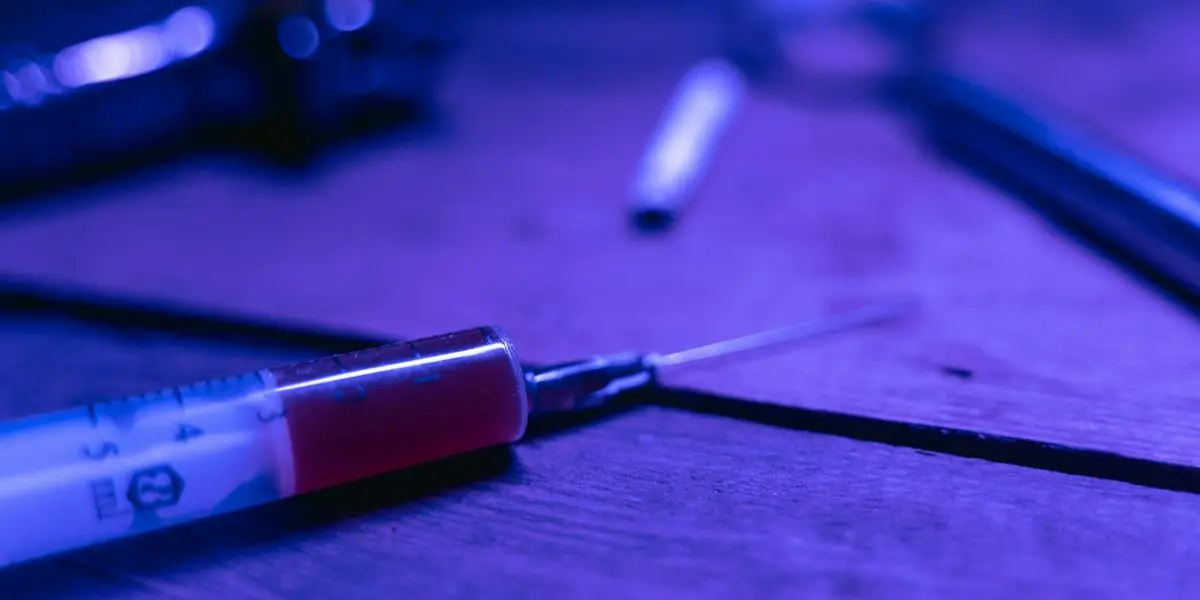
Addiction Is Not A Choice: How The Brain Becomes Compulsively Wired
Addiction is not a failure of willpower. Learn how repeated substance use rewires the brain's reward, habit, and control circuits, and how treatment uses that same plasticity to rebuild control.

What Is Sober Living? A Clear Guide To Structured, Substance-Free Housing
Sober living homes provide structured, substance-free housing that bridges the gap between clinical treatment and independent life. Learn what sober living is, how house rules and accountability work, who benefits most, and what to look for when choosing a...

How Poor Nutrition Raises Drug Relapse Risk
Nutrient depletion from substance use destabilizes brain chemistry, intensifies cravings, and weakens impulse control. Strategic nutrition restores neurotransmitter function, stabilizes blood sugar, and reduces relapse risk by addressing the biological roots of addiction recovery.

Rehabilitation Options for Marijuana Addiction
Explore the possibility of rehab for marijuana addiction, the process involved, and the role of aftercare. Understand why it's a viable solution for those struggling to quit.

Identifying and Managing Triggers: Your Guide to Preventing Relapse
Learn what addiction triggers are and how to spot them early. Identify internal, external, emotional, and behavioral cues to strengthen relapse prevention.

The Impact of Journaling on Addiction Recovery & Relapse Prevention
Discover how journaling aids in addiction recovery by increasing self-awareness, managing stress, preventing relapse, and encouraging growth. Learn about different journal types and effective journaling tips.

Alcohol Relapse: A Deep Dive into the Statistics and Recovery Challenges
Alcohol addiction, one of the most widespread substance use disorders globally, affects millions of people each year. While many seek help and enter recovery programs, maintaining long-term sobriety remains a significant challenge for a vast number of individuals. The...

Exploring Alcohol Addiction Relapse Rates
What is the Relapse Rate for Alcohol Addiction? Studies indicate that the relapse rate for alcohol addiction ranges from 40-60% within the first year after treatment completion. This rate is similar to other chronic diseases, underlining the chronic nature...

Relapse Prevention Strategies
What Are the Most Effective Relapse Prevention Strategies? Relapse prevention is essential for maintaining long-term sobriety, especially considering that addiction is a chronic disease. It involves adopting proactive measures, such as identifying triggers and building a strong support system,...

Relapse Prevention Plan
Relapse prevention is an integral component of a comprehensive substance abuse treatment plan and the goal for a treatment episode. Relapse prevention involves a strategic approach to identify and manage triggers that could lead to relapse. An initiative-taking stance...