A balanced holistic diet plan is a personalized approach to nutrition that supports physical, emotional, and spiritual wellbeing. Unlike conventional diets that emphasize calorie counting, this strategy focuses on whole, nutrient-dense foods, stress management, and lifestyle alignment. By centering meals around organic, seasonal ingredients and integrating mindfulness, the plan helps the body achieve harmony and sustained health.
Understanding how to create balanced holistic meals can support long-term vitality and mental clarity, serving as a powerful foundation for total-body healing and wellness.
Macronutrients, including carbohydrates, fats, and proteins, form the biochemical foundation of a balanced plate in holistic health. When built into tailored nutrition plans for recovery, they help repair tissues, stabilize energy, and support the nervous system during physical and emotional healing.
In a holistic context, it is not only the amount of each macronutrient that matters, but also quality, timing, and how they work together. Emphasizing whole, minimally processed foods improves absorption, limits inflammation, and keeps digestion and mood steadier, which is essential when the body is recovering from chronic stress or substance use.
Complex carbohydrates from whole grains, root vegetables, and legumes provide steady, slow burning energy instead of sharp spikes and crashes. Their fiber feeds beneficial gut bacteria, supports regular digestion, and helps stabilize mood, which is especially important when the body is healing from stress or substance use.
Lean proteins from wild fish, cage free poultry, eggs, and plant based sources supply amino acids that rebuild tissue, enzymes, and neurotransmitters. In recovery, steady protein intake helps stabilize blood sugar, curb cravings, and support muscle strength so clients feel grounded, focused, and physically capable each day.
Healthy fats from sources like extra virgin olive oil, avocado, nuts, and seeds nourish the brain and cardiovascular system while helping hormones stay balanced. They also enhance absorption of fat soluble vitamins and contribute to satiety, making meals more satisfying and reducing the urge to snack mindlessly between them.
Macronutrient balance means adjusting your mix of carbohydrates, proteins, and fats to match your energy needs, medical profile, and recovery goals. A chef dietitian team can fine tune portions across the day so you avoid energy crashes, feel satisfied after meals, and support stable mood, focus, and deep restorative sleep patterns.
Thoughtful nutrient pairings boost the impact of each meal. Combining fats with fat soluble vitamins A, D, E, and K improves absorption, while pairing complex carbohydrates with protein slows digestion and steadies blood sugar. These simple strategies reduce crashes, cravings, and irritability throughout each day in treatment.
Micronutrients are the unseen yet crucial elements of a healthy eating approach. Vitamins, minerals, and antioxidants help regulate immunity, brain chemistry, metabolism, and more. When following a nutrient-supportive aftercare plan, these micronutrients are key to sustained healing and physiological recovery.
Eating a wide array of colors, from leafy greens to purple berries, ensures your body receives a diversified nutrient spectrum to protect systems and slow aging. This variety supports heart, brain, and gut health while giving cells the raw materials they need to repair damage caused by stress, substance use, or poor diet over time.
Choosing a rainbow of fruits and vegetables ensures you tap into a wide spectrum of vitamins, minerals, and plant compounds. Orange foods tend to support eye and skin health, leafy greens aid detox and blood building, while blue and purple produce are often linked with sharper memory and greater resilience against everyday stress.
Trace elements like magnesium, zinc, and selenium may be needed only in tiny amounts, yet their impact is huge. They help regulate thyroid function, stabilize mood, and support hundreds of enzyme reactions involved in energy, sleep, and detoxification, making them essential for people rebuilding health after periods of chronic stress or substance use.
Shifting from heavily processed foods to fresh, whole, and when possible organic options naturally fills in nutrient gaps. Over time, many people notice easier digestion, fewer crashes in energy, and steadier mood. This gradual rebalancing supports organ repair and gives the body resources it needs to sustain recovery work each day.
Antioxidant rich foods such as berries, kale, citrus, and turmeric help neutralize free radicals that damage cells and speed aging. By protecting organs, blood vessels, and brain tissue, these compounds support clearer thinking, stronger immunity, and better physical stamina, all of which are vital when someone is healing from addiction.
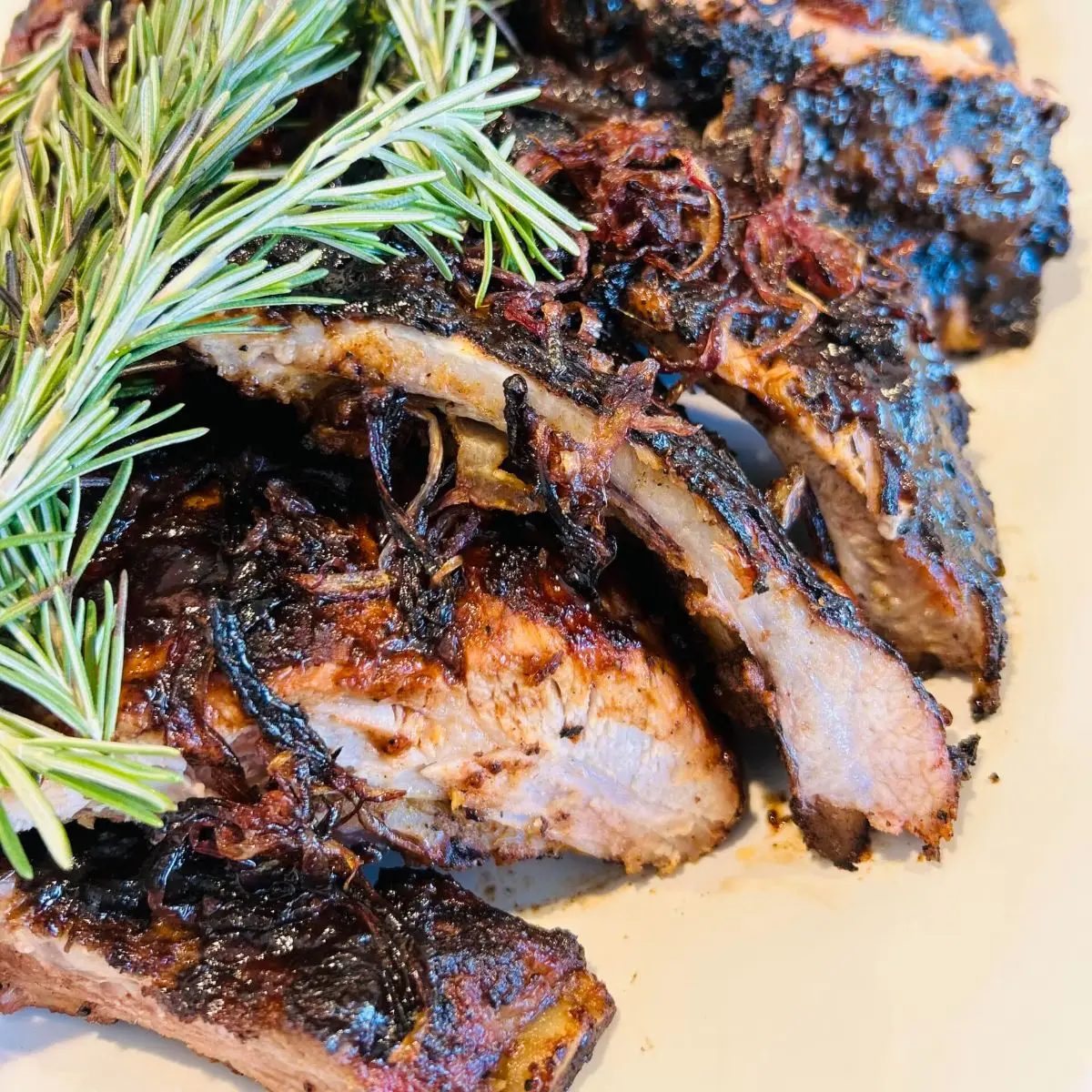
Gentle cooking methods like steaming, light sautéing, or slow roasting help preserve delicate vitamins and antioxidants that are easily destroyed by very high heat. Avoiding frequent deep frying and charring means more nutrition stays in each meal, so every plate does more to rebuild strength, immunity, and long term wellness.
Food alone cannot sustain holistic health. Incorporating daily rituals such as breathwork, proper hydration, and stress reduction are essential. These habits are often embedded into holistic daily routines that address the full spectrum of mind-body wellness.
When paired with a thoughtful nutritional plan, lifestyle adjustments accelerate recovery, regulate hormones, and anchor mental focus.
A holistic diet focuses on whole foods, stable energy, and nervous system balance rather than quick fixes. Used in custom-designed recovery plans, this approach supports physical resilience, emotional stability, and long term disease prevention in daily life.
Over time, these benefits compound, turning everyday meals into a steady source of energy, clarity, and repair. Rather than chasing restrictive rules, a holistic plan helps clients build a flexible way of eating that supports lasting recovery and overall wellness.
Shifting toward a holistic way of eating works best when it is gradual and intentional, not rigid or extreme. Exploring available support frameworks can make expert guidance more accessible and financially manageable.
Instead of overhauling everything at once, focus on one realistic improvement at a time. Each small choice, repeated consistently, becomes a powerful habit that supports long term health and recovery goals.
Over time, these structured yet flexible steps transform how you shop, cook, and eat without feeling deprived. A thoughtful holistic meal plan becomes a daily anchor that supports mood, energy, and lasting recovery.
Holistic nutrition doesn’t just feed the body—it uplifts the mind. By pairing mood-regulating nutrients with daily mindful movement and meditation, the brain-gut connection strengthens, reducing anxiety and sharpening focus.
This integrated approach enables neurotransmitter regulation, hormone balance, and emotional grounding. Mood-friendly nutrients like magnesium and B-vitamins can affect cognitive function just as powerfully as stress-reducing habits.
At Carrara Rehab, I find healing from the inside out through a balanced holistic diet plan that supports my body, mind, and emotional wellbeing. My meals are thoughtfully prepared with whole, nutrient-dense foods that complement my clinical care and help stabilize energy, mood, and focus as I move through recovery.
The Carrara environment is a perfect fit for me if I want luxury care that also prioritizes deeply supportive nutrition. Whether I am an executive, creative professional, or high-profile individual, I receive meal planning and lifestyle guidance that respect my preferences, medical needs, and long-term wellness goals.
I can explore all the elite options available, like The LA Carrara House, The Hollywood Hills Carrara House, and The Malibu Beach House – each offering unmatched luxury, privacy, and thoughtfully designed nutrition support. Take the first step toward a holistic, food-supported, and lasting recovery today.
Nika has been practicing in the mental health field and in substance abuse as a licensed psychotherapist for over 20 years with the emphasis of applying psycho-dynamic theories to better understand attachment styles, trauma, and the unconscious forces that can play in one’s current behaviors, thoughts and emotions leading to addictions and other maladaptive behaviors.
Nika believes awareness of the root cause of our problems alone may not bring about the changes one is desiring. She believes that in addition to the psychodynamics, when a client learns how to deal with their painful feelings instead of creating defense mechanisms for it then fear is no longer the dominant factor. It is then when you begin to value yourself enough to change. To understand and challenge thinking patterns and valuing the capacity, skills, knowledge, connections, and potentials of each individual with compassion, empathy and interest through how they experience difficulties creates trust.
Nika believes when trust is established anything is possible and the strategies that are implemented work effectively “ without the compassion, empathy and the ability for the client to be heard and understood there should be no expectation for a client to talk about layers of trauma that they have tucked away for good reason”.
The ability to look beyond their presenting problems, childhood experiences and making the incremental changes needed in creating the life they intended to live is possible.
Nika also works in her private practice and has achieved academic publishing and Author of Unveiling Iranian women’s beliefs and attitudes towards divorce, published through Lambert Academic Publishing.