April 20, 2026
Last updated on August 21st, 2026 at 12:14 am
How Trauma-Informed Care Improves Addiction Treatment Outcomes for Veterans
Trauma-informed care represents a fundamental shift in how addiction treatment addresses the needs of veterans. Unlike traditional treatment models that focus primarily on abstinence and behavior modification, trauma-informed approaches recognize that substance use disorders often stem from underlying traumatic experiences during military service. This veteran-centered treatment philosophy emphasizes safety, trust, collaboration, and empowerment rather than confrontation.
The difference between traditional and trauma-informed treatment lies in the foundational question asked. Conventional programs ask “What’s wrong with you?” while trauma-informed care asks “What happened to you?” This organizational trauma approach creates environments where veterans feel understood rather than judged, significantly improving engagement and outcomes. Comprehensive care and support options for veterans integrate these safety and trust principles throughout every aspect of treatment, from intake through aftercare.
The Connection Between Military Trauma and Substance Use Disorders
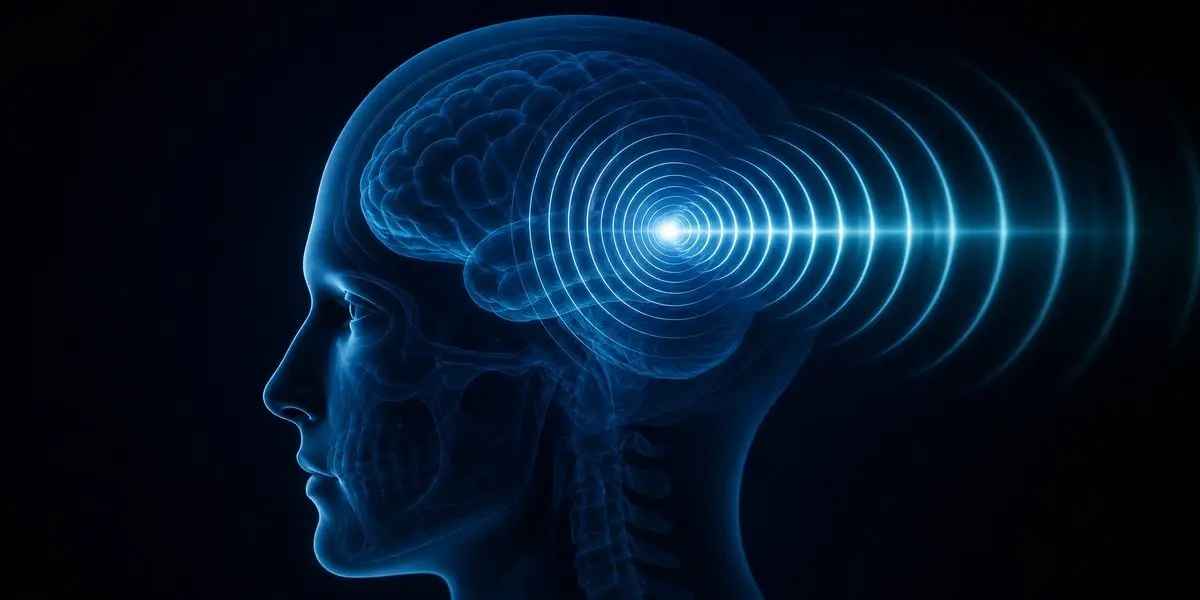
Military service fundamentally alters brain function in ways that increase vulnerability to addiction. Combat exposure, repeated deployments, and chronic stress create lasting changes in how the brain processes threat and regulates emotions. Understanding how military trauma leads to addiction requires examining these neurological impacts.
Trauma triggers nervous system dysregulation that persists long after service ends. The amygdala becomes hyperactive, constantly scanning for danger even in safe environments. Meanwhile, the prefrontal cortex’s ability to regulate emotions and impulses becomes compromised. Veterans often turn to substances to quiet this overactive threat response and manage overwhelming emotions that result from these brain changes.
How Moral Injury Drives Substance Use
Beyond combat trauma, many veterans experience moral injury when actions during service violate deeply held values. This spiritual and psychological wound creates profound shame and guilt that traditional therapy often fails to address. Moral injury counseling recognizes these experiences as distinct from PTSD, requiring specialized therapeutic approaches. Veterans may use alcohol or drugs to numb the distress of moral injury, making integrated treatment essential for lasting recovery from both trauma and addiction.
Why Do Veterans Struggle With Traditional Addiction Treatment Programs?
Conventional addiction programs often fail veterans because they do not account for the unique ways military trauma shapes behavior and treatment needs. Understanding why veterans struggle with substance abuse requires recognizing how standard approaches can inadvertently trigger trauma responses or dismiss military-specific experiences.
- Lack of Military Culture Understanding: Civilian providers unfamiliar with military experiences may misinterpret trauma responses as resistance.
- Retraumatization Risks: Confrontational therapeutic styles and unpredictable environments trigger hypervigilance rather than healing.
- Hypervigilance Addiction Connection: Programs that ignore the neurological basis of hypervigilance fail to address core trauma symptoms.
- Sequential Treatment Models: Treating PTSD and addiction separately forces veterans to choose which condition receives attention first.
- Absence of Peer Support: Without fellow veterans who understand shared experiences, isolation deepens rather than healing.
- Power Imbalances: Authoritarian treatment structures recreate military hierarchies that can feel oppressive rather than supportive.
The Need for Military-Informed Therapy Approaches
Effective treatment requires retraumatization prevention through environments designed with veteran needs in mind. Military-informed therapy approaches recognize that behaviors like emotional guardedness or difficulty with authority reflect adaptive survival strategies rather than treatment resistance. Programs that integrate these understandings create space for genuine healing rather than forcing veterans into treatment models designed for civilian populations.
Evidence-Based Treatment Approaches for Veterans With Co-Occurring Disorders
Veterans with co-occurring PTSD and substance use disorders require specialized therapeutic interventions that address both conditions simultaneously. Integrated PTSD addiction treatment has emerged as the gold standard for dual diagnosis treatment veterans, combining evidence-based trauma therapies with substance abuse interventions. These approaches recognize that treating only one condition while ignoring the other leads to poor outcomes and higher relapse rates. The following therapeutic modalities have demonstrated significant effectiveness in helping veterans achieve lasting recovery from both trauma and addiction.
1. Cognitive Processing Therapy for Dual Diagnosis
Cognitive behavioral therapy techniques form the foundation of CPT, helping veterans identify and challenge distorted beliefs related to trauma while addressing substance use patterns. This structured 12-session protocol teaches veterans to recognize how trauma-related thoughts contribute to both PTSD symptoms and addictive behaviors, creating lasting change.
2. Eye Movement Desensitization and Reprocessing (EMDR)
EMDR for veterans helps reprocess traumatic memories through bilateral stimulation, reducing their emotional intensity and the need to avoid them through substance use. This gold-standard PTSD treatment integrates seamlessly with addiction recovery by decreasing the psychological distress that drives self-medication behaviors in veteran populations.
3. Prolonged Exposure Therapy for Combat Trauma
Prolonged exposure therapy gradually exposes veterans to trauma-related memories and situations in a controlled, safe environment. This evidence-based approach helps veterans process combat experiences while building distress tolerance without relying on substances, addressing both avoidance symptoms and addictive coping mechanisms simultaneously.
4. Seeking Safety: Present-Focused Integrated Treatment
This present-focused therapy addresses PTSD and substance use disorders concurrently through skill-building modules. Veterans learn practical coping strategies for managing triggers, regulating emotions, and navigating high-risk situations, making it particularly effective for those who need immediate stabilization before deeper trauma processing.
5. Motivational Interviewing to Enhance Treatment Engagement
Motivational interviewing techniques help veterans resolve ambivalence about change and strengthen commitment to recovery. This collaborative, non-confrontational approach respects veteran autonomy while exploring discrepancies between current behaviors and personal values, significantly improving treatment retention and engagement rates.
6. Integrated Group Therapy With Veteran Peers
Veteran-specific group therapy creates a safe environment where service members share experiences with peers who understand military culture. These groups combine trauma processing with relapse prevention skills, leveraging the unique bonds formed through military service to reduce isolation and validate recovery experiences.
7. Medication-Assisted Treatment for Co-Occurring Conditions
Pharmacological interventions support recovery by reducing cravings, managing withdrawal symptoms, and stabilizing PTSD symptoms. Medications like naltrexone for alcohol dependence combined with SSRIs for PTSD create a biological foundation that enhances the effectiveness of psychotherapeutic interventions in specialized treatment approaches for veterans with combat-related trauma.
8. Somatic and Body-Based Interventions
Trauma-sensitive yoga, mindfulness practices, and breathing techniques help veterans regulate their nervous systems and manage physiological arousal. These body-based approaches recognize that trauma is stored physically, providing veterans with tools to reconnect with their bodies safely while developing healthy stress management alternatives to substance use.
What Makes VA Addiction Programs and Veteran-Specific Rehabilitation Different?
Veteran-specific rehabilitation centers and VA addiction programs are structured around the unique needs of military populations. These programs incorporate trauma screening protocols from intake through discharge, ensuring that underlying trauma receives appropriate attention alongside addiction treatment. Veteran peer support recovery plays a central role, connecting service members with others who understand military culture and shared experiences.
Veteran residential treatment programs differ from civilian facilities through specialized staff training in military culture competency and combat-related conditions. TRICARE partnerships make quality treatment accessible to active duty members and veterans, removing financial barriers that might otherwise prevent care. These programs create environments where hypervigilance is understood rather than pathologized, and where the bonds formed through military service become foundations for healing.
Addressing Combat-Related Conditions That Complicate Recovery
Veterans entering addiction treatment frequently present with multiple service-connected conditions that require specialized attention. Combat-related addiction therapy must account for the complex interplay between substance use disorders and conditions like traumatic brain injury, military sexual trauma, and deployment-related PTSD. Each of these conditions creates unique challenges that traditional addiction treatment models fail to address adequately.
Service-connected addiction often involves layers of trauma that developed over years of military service. Repeated deployments create cumulative stress that fundamentally alters how the brain processes threat and regulates emotions. When combined with physical injuries, moral distress, and the challenges of reintegration into civilian life, these experiences create a complex clinical picture requiring integrated, comprehensive treatment approaches.
Traumatic Brain Injury and Substance Abuse
TBI substance abuse treatment addresses the cognitive and emotional regulation challenges that result from brain injuries sustained during service. Blast exposures and concussions can damage areas of the brain responsible for impulse control and decision-making, increasing vulnerability to addiction. Effective treatment recognizes these neurological factors, adapting therapeutic approaches and expectations accordingly while teaching compensatory strategies.
Military Sexual Trauma Recovery
Military sexual trauma recovery requires specialized protocols that address the profound betrayal and isolation veterans experience when trauma occurs within their military community. This form of trauma carries unique shame and often goes unreported during service. Trauma-informed programs create safe spaces where veterans can process these experiences without judgment, recognizing that substances may have been used to cope with feelings of violation, powerlessness, and institutional abandonment that frequently accompany military sexual trauma.
Holistic and Complementary Therapies in Veteran Trauma Recovery
Comprehensive trauma recovery extends beyond traditional talk therapy to include holistic recovery methods that address how trauma is stored in the body. Veterans benefit from complementary approaches that help regulate the nervous system, process emotions, and rebuild connections between mind and body that trauma has disrupted.
- Somatic Experiencing Therapy: Releases trauma stored in the body through gentle awareness of physical sensations and natural discharge of stress.
- Mindfulness-Based Interventions: Teaches present-moment awareness that reduces reactivity to triggers and builds emotional regulation capacity.
- Trauma-Sensitive Yoga: Helps veterans reconnect with their bodies in safe ways while building skills for managing physiological arousal.
- Equine-Assisted Therapy: Provides nonverbal healing experiences through interactions with horses that mirror emotional states.
- Art and Music Therapy: Offers alternative channels for processing trauma when words feel inadequate or overwhelming.
- Breathwork and Meditation: Activates the parasympathetic nervous system, counteracting chronic hyperarousal from combat stress.
- Family Therapy for Veteran Addiction: Heals relationships damaged by trauma and addiction while educating loved ones about recovery.
Integrating Psychoeducation Programs
Psychoeducation programs help veterans understand the neurological and psychological impacts of trauma, reducing shame and self-blame. When veterans learn how trauma changes brain function and drives substance use as a survival response, they can approach recovery with self-compassion rather than judgment. Family psychoeducation extends this understanding to loved ones, creating supportive home environments that reinforce treatment gains and recognize that healing is a process requiring patience and sustained support.
How Does Carrara Treatment Integrate Trauma-Informed Care Into Their Addiction Treatment Programs?
Carrara Treatment has built its entire clinical framework around trauma-informed principles specifically designed for veterans. From the moment of first contact, every interaction prioritizes safety, trust, and respect for the unique experiences of military service. The program recognizes that for veterans, addiction is rarely the primary disorder but rather a symptom of underlying trauma that requires specialized attention.
The treatment environment itself reflects trauma-informed design. Calm, predictable spaces reduce triggers for veterans struggling with hypervigilance. Staff members receive extensive training in military culture and trauma-sensitive communication, ensuring veterans feel understood rather than judged. The program emphasizes collaboration rather than authority, restoring personal agency that trauma and addiction have eroded.
Comprehensive Integrated Treatment Approach
Carrara’s approach addresses PTSD and substance use disorders simultaneously through evidence-based modalities including Cognitive Processing Therapy, EMDR, and Seeking Safety protocols. Comprehensive trauma screening during intake identifies specific treatment needs, allowing clinicians to create individualized plans that honor each veteran’s unique experiences and goals.
- Veteran-specific group therapy connecting service members with peers who understand military experiences
- Specialized treatment for moral injury, military sexual trauma, and combat-related PTSD
- Holistic wellness practices including mindfulness, yoga, and somatic therapies
- Family involvement programs that heal relationships and build support systems
- Full continuum of care from medical detox through intensive outpatient programs
- TRICARE acceptance making quality treatment accessible to veterans nationwide
Veterans deserve treatment that honors their service while providing the specialized care necessary for lasting recovery. If you or a veteran you love is struggling with trauma and addiction, take the first step toward integrated healing by contacting Carrara Treatment today for a confidential conversation about how trauma-informed care can transform recovery.

Britney Elyse, LMFT, is an experienced mental health professional and clinical leader with more than 15 years of experience in behavioral health, addiction treatment, and recovery services. She currently serves as Director of Compliance & Clinical Services at Carrara Treatment, Wellness & Spa, where she oversees the clinical team, treatment programming, staff development, documentation standards, and coordination of care with physicians and psychiatric providers.
Throughout her career, Britney has held leadership and clinical roles at respected treatment programs including Cliffside Malibu, Cast Recovery, The Hills Treatment Center, and Tarzana Treatment Centers. Her experience encompasses individual and family therapy, clinical assessment, treatment planning, case management, utilization review, and the development of trauma-focused programming.
Britney’s therapeutic background includes trauma-informed care, Somatic Experiencing, DBT, relapse prevention, family therapy, and stages-of-change interventions. She is passionate about creating thoughtful, individualized treatment plans while supporting clients and their families throughout the recovery process.
Britney earned her Master’s degree in Clinical Psychology with an emphasis in Marriage and Family Therapy from Antioch University and has pursued advanced training in Somatic Experiencing Therapy. Her approach combines compassionate client care with strong clinical leadership and a commitment to maintaining the highest standards of treatment.
Credentials: MA, LMFT. California Licensed Marriage and Family Therapist 90937 (Board of Behavioral Sciences). MA, Antioch University. Member, CAMFT.