May 22, 2024
Last updated on March 17th, 2026 at 12:05 pm
LSD
Short for lysergic acid diethylamide, is a powerful hallucinogenic substance. It is a hallucinogenic compound that can alter perception, thoughts, and feelings. Its effects are primarily mediated by the serotonergic system in the brain. Here’s how it works:
- Serotonin Receptors: LSD interacts with proteins on the surface of brain cells called serotonin receptors. Specifically, it binds to the 5-HT2A receptor.
- Signaling Pathways: Serotonin receptors activate two major signaling pathways within cells: through G-proteins and through β-arrestins. LSD mainly acts through the β-arrestin pathway instead of the G-protein pathway.
- Structural Interaction: LSD’s unique effects are influenced by its structural interaction with the receptor. Related ergoline compounds can shape the receptor’s structure differently, triggering distinct effects.
- Long-Lasting Effects: The serotonin receptor closes a “lid” over the LSD molecule, preventing it from quickly detaching. This likely explains the drug’s long-lasting effects even after it’s cleared from the bloodstream12.
Swiss chemist Albert Hofmann first synthesized LSD in 1938. He accidentally ingested it three days later, experiencing its psychedelic effects.
- Effects: LSD alters perception, mood, and cognition. Users may experience vivid hallucinations, synesthesia (cross-sensory experiences), and altered time perception.
- Dosage: LSD is typically taken orally as a small paper square (blotter) or liquid on sugar cubes. The dosage is measured in micrograms (µg), with common doses ranging from 50 to 200 µg.
- Trips: An LSD trip can last 6 to 12 hours. Users report intense visual patterns, emotional insights, and a sense of interconnectedness with the universe.
- Safety: While LSD is considered non-addictive, it can be psychologically intense.
- The LSD user’s reactions are extremely subjective, variable, and unpredictable. One trip may be filled with brilliant hallucinogenic sights and sensations, mind expansion, as well as euphoric feelings of oneness with the universe; while, another trip may bring anxiety, panic, fear, and depression, despair, and solitude of disappointment. An individual’s body image may be distorted; the sensations can turn to a ‘bad trip’ and eventually culminate in frank psychosis. The drug moves quickly to the brain and throughout the body and acts on both the central and autonomic nervous systems. All traces of the drug disappear from the brain rapidly in about 20 min, although the effects may last many more hours.
- As mentioned, flashback is a real perturbing side effect. One theory suggests that flashbacks are induced by stress or fatigue, or by resort to other drugs. However, frequent or long-term use of LSD has been shown to culminate in tolerance. Emotional, physical, and mental stability returns to baseline quickly. As a result, tolerant users require more of the drug to achieve the same effect and invariably invite more trouble.
- Abuse of LSD is rather difficult; the drug produces such an absurd high that daily ingestion is almost impossible. Thus LSD use does not lead to physical dependence. However, the tolerance as mentioned disappears after a few days of abstinence without producing craving. So, LSD dependence is typically psychological and not physical.
LSD has had a fascinating impact on various famous individuals. Let’s explore some notable figures who experimented with psychedelics:
- The Beatles: This iconic band significantly benefited from their encounters with psychedelics. Before LSD, they were clean-cut musicians from Liverpool. However, after experimenting with acid, their music and creativity took a transformative turn
- Steve Jobs: The visionary behind Apple products considered taking LSD a profound experience—one of the most important things in his life1.
- Charles Manson: The infamous criminal and cult leader was known to take LSD and other drugs, distributing them to his followers2.
- Aldous Huxley: The author of “Brave New World” experimented with LSD while writing the novel and was even injected with the drug at his death.
- LSD has touched the lives of scientists, inventors, writers, business figures, and musicians. It’s more “mainstream” than you might think.
LSD is not considered physically addictive in the same way as substances like opioids or nicotine. However, it can lead to psychological dependence in some individuals. Here’s why:
- Tolerance: With repeated use, LSD users develop tolerance, meaning they need higher doses to achieve the same effects. This can lead to more frequent use.
- Cross-Tolerance: LSD shares cross-tolerance with other hallucinogens like psilocybin (found in magic mushrooms). If someone develops tolerance to LSD, they may also have reduced sensitivity to other psychedelics.
- Psychological Effects: LSD can produce intense, mind-altering experiences. Some users seek these effects repeatedly, leading to a desire for more trips.
- Risk of “Bad Trips”: While most LSD experiences are positive, some users may have distressing or frightening trips. Despite this, they may continue using LSD, hoping for better experiences.
- Set and Setting: The context in which someone takes LSD matters. Positive environments and intentions can enhance the experience, but negative settings can lead to anxiety or paranoia.
- Individual Variability: Not everyone who uses LSD becomes psychologically dependent. Some people use it occasionally without feeling compelled to continue.
In summary, while LSD itself isn’t physically addictive, its psychological effects and patterns of use can lead to dependence in susceptible individuals. As always, if you have any concerns about substance use, consider seeking professional advice.
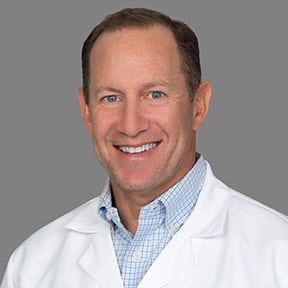
Senior Medical Officer, Carrara Treatment Wellness & Spa
Dr. Kenneth Spielvogel is a board-certified physician with nearly 30 years of clinical experience and a specialized focus on addiction medicine, metabolic health, hormonal optimization, and long-term recovery. As Senior Medical Officer at Carrara Treatment Wellness & Spa, he helps lead a physician-driven approach to recovery that integrates medical, psychological, and lifestyle interventions to support lasting healing.
A graduate of the George Washington University School of Medicine and residency-trained at the University of Colorado Health Sciences Center, Dr. Spielvogel is board-certified in Obstetrics and Gynecology. Throughout his distinguished career, he has cared for thousands of patients in areas including women’s health, hormone replacement therapy, fertility, prenatal care, minimally invasive surgery, and preventive medicine.
Witnessing the devastating impact of substance use disorders on patients and families inspired Dr. Spielvogel to expand his focus into addiction medicine. He has since dedicated years of continuing education and clinical practice to the treatment of substance use disorders, integrating evidence-based addiction care into both inpatient and outpatient settings.
Today, Dr. Spielvogel is particularly interested in the intersection of addiction medicine, metabolic health, and recovery. His work explores the role of GLP-1 therapies, hormonal health, exercise physiology, body composition, and biomarker-driven care in reducing cravings, improving overall health, and supporting sustainable recovery outcomes.
Known for his compassionate, patient-centered approach, Dr. Spielvogel believes in building strong relationships with those he serves, helping individuals make informed decisions about their health and recovery. Fluent in Spanish, he is committed to delivering culturally competent care to diverse patient populations.
Education & Credentials
- Medical Degree: George Washington University School of Medicine
- Residency: University of Colorado Health Sciences Center
- Board Certification: American Board of Obstetrics & Gynecology
Affiliations
- Senior Medical Officer, Carrara Treatment Wellness & Spa
- Consultant and Clinical Care Team Member, One Method Treatment Center
- MemorialCare Medical Group Long Beach
- Pediatrix Medical Group
Areas of Expertise
- Addiction Medicine
- Substance Use Disorder Treatment
- Medication-Assisted Treatment (MAT)
- GLP-1 Therapies and Recovery
- Hormonal Health & HRT
- Metabolic Health & Longevity
- Women’s Health
- Weight Management
- Recovery Planning & Relapse Prevention
- Family Education & Support