April 28, 2026
High-end rehab centers in Beverly Hills combine clinical treatment with premium comforts designed to support recovery. Private suites, discreet locations, gourmet chef-prepared meals, spa services, fitness programs, and personalized wellness offerings create an environment where clients can focus entirely on therapeutic work. These amenities are not indulgence for its own sake but rather clinical tools that reduce stress, improve sleep quality, and create the conditions for meaningful engagement in treatment.
The philosophy behind luxury rehab is straightforward: when clients do not have to fight their surroundings, they can dedicate their full energy to recovery. A well-designed private suite, nutritionally optimized meals, and integrated wellness support reduce the everyday friction that can distract from therapy. Electronics access, concierge services, and pet-friendly policies are tailored to individual needs and clinical milestones. Below is a comprehensive overview of the amenities you can expect at top-tier Beverly Hills facilities and how each component supports the clinical mission.
What Types Of Private Suites Are Offered And What Do They Include?
Private suites are the foundational amenity at high-end rehab centers. They range from elegantly appointed private rooms with en-suite bathrooms to deluxe suites with separate living areas, residential suites spanning multiple rooms, and standalone villas or cottages with private outdoor space. Each tier prioritizes comfort while maintaining clinical oversight and therapeutic focus. The physical layout, furnishings, and included services vary by program and suite level, allowing clients to select the accommodation that best matches their privacy needs and recovery trajectory.
1. Bathroom and Personal Care Facilities
Private suites feature en-suite bathrooms with premium fixtures, including walk-in showers, soaking tubs, heated towel racks, and luxury toiletries. High-end centers thoughtfully select products free from triggering substances and harmful chemicals. Premium bedding, organic linens, and hypoallergenic materials support restful sleep, which is clinically essential during early recovery. Spa-quality bathrooms with soft lighting, soundproofing, and temperature control create a restorative environment that reduces sensory overload and supports the neurological healing required in the first weeks of abstinence.
2. Bedroom and Living Spaces
Bedrooms are designed for rest and clinical simplicity. Premium mattresses, blackout shading, adjustable lighting, and climate control systems accommodate individual sleep preferences and medical sensitivities. Many suites include separate sitting or living areas where clients can conduct private therapy sessions, telehealth appointments, or personal reflection without interruption. Higher-tier suites offer kitchenettes, private dining areas, and space for supervised family visits. The spatial separation between sleeping, therapy, and social zones mimics residential living and enables clients to establish routines they will maintain after discharge.
3. Entertainment and Communication Technology
Suites include high-speed internet, streaming-capable television systems, landline phones, and secure workspaces for clients with professional obligations. Electronics access is phased according to clinical protocol: early restriction reduces triggers and distraction, while graduated restoration supports the transition to independence. Many centers provide private Wi-Fi, scheduled video calling for family connection, and secure channels for work-related communication. The goal is to remove the isolation that traditionally characterized rehab while maintaining clinical safeguards against triggering content and compulsive use patterns.
4. Outdoor Access and Natural Light
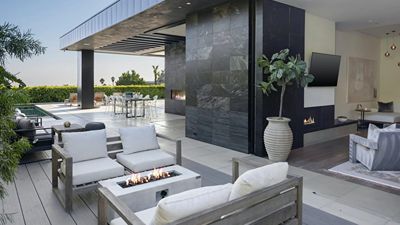
Private patios, balconies, small gardens, and direct pool access are common amenities in higher-tier suites. Natural daylight regulates circadian rhythm and supports mood stabilization, both critical for recovery. Outdoor space provides refuge for meditation, breathwork, and quiet reflection. Many centers incorporate native plants, water features, and comfortable seating to create restorative outdoor spaces that reduce psychological stress and encourage time in nature, a proven complement to clinical therapy.
How Do Centers Protect Privacy And Maintain Discreet Locations?
Discretion is central for many clients whose careers, public profiles, or personal security depend on confidentiality. High-end facilities located in Beverly Hills and surrounding areas are typically situated on gated properties, quiet residential streets, or private estates with unmarked entrances and limited public-facing signage. Private driveways, dedicated check-in points, and staged arrivals minimize exposure. Transportation services are coordinated to avoid public appearances, and visitor screening ensures that only pre-authorized individuals access the campus.
Security infrastructure includes 24/7 monitoring of common areas, trained staff who handle all inquiries without revealing client information, and controlled access badges for movement throughout the property. Electronic medical records are encrypted and stored securely, with limited staff access based on clinical need-to-know. Billing is often handled through private-pay arrangements or corporate entities to minimize visibility in insurance or public records. These privacy measures are not theatrical but rather integral to the clinical environment, enabling clients to feel safe enough to fully engage in the vulnerable work of recovery.
Smaller census sizes and elevated staff-to-client ratios amplify discretion by allowing individualized scheduling, private meal times, and personal transportation arrangements. Concierge teams manage logistics that keep public exposure minimal, from coordinating outside physician visits to scheduling family sessions outside peak hours. When selecting a program where privacy is essential, ask about arrival protocols, staff visibility, visitor controls, and how the facility manages confidentiality of public-facing professions or family situations.
How Does Gourmet Dining And Nutritional Counseling Work In Luxury Rehab?
Gourmet dining at top-tier centers is not a lifestyle choice but rather clinical medicine. Full-time culinary teams prepare chef-designed menus that are nutritionally balanced to support recovery goals. Meals emphasize whole foods, plant-forward options, anti-inflammatory preparations, and balanced macronutrients calibrated to improve sleep, stabilize mood, and support metabolic health. Menus account for medication interactions, detox-phase nutritional needs, and eating disorders when present. The combination of culinary expertise and clinical oversight transforms nutrition from a hotel amenity into an active treatment modality.
Meals serve multiple clinical functions: they reduce gastrointestinal upset common in early recovery, stabilize blood glucose to minimize cravings and mood swings, and provide the micronutrients necessary for neurological healing. Substance use causes profound nutritional depletion, and restoration is measurable and essential. Many centers offer private dining options, small therapeutic dining groups, and educational cooking classes that teach sustainable meal planning and relapse-prevention strategies around food triggers. This ensures clients leave treatment with practical knowledge and confidence in their ability to maintain health independently.
Nutritional counseling begins with comprehensive assessment: laboratory testing, detailed dietary history, and review of medication interactions. Registered dietitians create individualized meal plans to correct deficiencies, support liver health, and optimize glucose stability. Dietitians coordinate directly with chef teams so that clinical prescriptions translate immediately into the meals delivered to each client. Common menu features include organic produce sourced locally when possible, anti-inflammatory cooking methods, and multiple options for gluten-free, vegan, ketogenic, or medically restricted diets. In luxury settings, private chef service and in-suite meal delivery are customizable, allowing clients to take meals during therapy blocks or in the privacy of their suites.
What Spa Services And Alternative Therapies Are Available?
Spa services and alternative therapies are integrated treatment modalities at luxury centers, designed to reduce stress, ease physical withdrawal symptoms, improve sleep, and support emotional processing. These offerings work alongside evidence-based treatments like cognitive behavioral therapy and medication-assisted care rather than replacing them. Reputable programs staff credentialed practitioners, supervise all sessions through clinical protocols, and document outcomes as part of the formal treatment plan. At Carrara Treatment, spa and wellness services are coordinated by clinicians to ensure each modality directly supports recovery goals.
The following services represent the comprehensive spa and alternative therapy offerings at leading high-end centers:
- Therapeutic and Clinical Massage. Deep tissue tranquility massage, aromatherapy massage, lymphatic stimulation massage, and sleep renewal massage reduce muscle tension, improve circulation, and support parasympathetic activation essential for rest. Massage therapy is particularly effective for clients whose trauma is stored somatically in the body.
- Energy and Body Work. Reiki healing, sound healing, spinal energetics, cupping therapy, and EMF therapy are offered within a clinical framework that connects somatic releases to emotional processing. Facilitated stretch therapy and breathwork integrate these modalities into structured recovery protocols.
- Skincare and Aesthetic Renewal. Luxury facials using clinical-grade lines such as Vie de Mer and Epicutis improve skin barrier function and support psychological renewal. Skincare consultations teach clients sustainable practices to maintain health after discharge.
- Mindfulness and Breathwork. Emotional release breathwork, guided meditation, and somatic experiencing address nervous system dysregulation and trauma responses. Private breathwork sessions teach clients physiological tools for managing cravings and anxiety independently.
- Integrated Healing Modalities. Acupuncture, chiropractic care, and crystal healing complement clinical treatment. Carrara Treatment coordinates these services with psychiatric and psychotherapeutic care, ensuring all interventions align with individual treatment goals and clinical milestones.
What Fitness And Wellness Programs Are Offered?
Fitness and wellness programming are clinical supports for recovery, not optional amenities. Exercise improves sleep quality, stabilizes mood, builds resilience, and provides healthy coping strategies for stress and cravings. Luxury centers operate state-of-the-art fitness facilities with private gyms, personal training, yoga studios, and pools. At Carrara Treatment, fitness and wellness services are designed in collaboration with clinical staff to respect medical limitations, address medication side effects, and align with each client’s psychological and recovery goals.
The following wellness and fitness services are typical at leading high-end centers:
- Personalized Fitness Training and Aquatic Programs. Private fitness training customizes exercise intensity and modality to medical needs and goals. Two private pools enable aqua fitness and recreational movement in a controlled, non-triggering environment. Group fitness classes remain small enough for individualized supervision and modification.
- Yoga and Somatic Practices. One-on-one yoga sessions, meditation, and somatic experiencing address trauma stored in the nervous system. Yoga builds body awareness and teaches breath work techniques for self-regulation. Private sessions allow clients to work at their own pace without performance pressure.
- Thermal and Respiratory Therapies. Sauna, infrared sauna, and steam room with aromatherapy support detoxification and respiratory health. These modalities reduce physical tension and activate the parasympathetic nervous system. Sessions are scheduled to complement therapy blocks and clinical milestones.
- Nutrition Coaching and Transformation Programs. Licensed dietitian consultations provide personalized nutrition guidance. Juice and smoothie bars deliver nutrient-dense meals on demand. The transformation mindset program integrates nutrition, movement, and psychological work into a cohesive recovery strategy.
- Specialized Healing Modalities. Sound baths, private breathwork, hypnotherapy, crystal healing, and grounding practices support nervous system healing. Carrara Treatment ensures all services are delivered by credentialed practitioners and integrated into documented treatment plans.
What Concierge Services, Electronics Policies, And Pet Options Are Available?
Concierge services at luxury rehab centers handle logistics so clients can focus on clinical work. Private transportation, appointment scheduling, family communications, and personal errands are managed by dedicated staff. At Carrara Treatment, concierge teams coordinate closely with clinical staff to ensure that conveniences support rather than undermine treatment goals. This integrated approach preserves both comfort and therapeutic integrity while removing barriers to engagement.
1. What Electronics Access Do Clients Typically Have?
Electronics policies balance safety with real-world responsibility. During early treatment phases, limits on unsupervised internet and social media are common because online exposure can trigger cravings and undermine therapeutic focus. Luxury programs often adopt a phased approach: stricter restrictions at intake, with gradual restoration of access as clients achieve clinical milestones. Secure storage for phones and laptops is standard when devices are therapeutically restricted. Private Wi-Fi in suites, scheduled video calls with family, and secure channels for professional communication are typically available from early in the stay.
Carrara Treatment offers phased electronics access tailored to clinical progress. Clients in early phases have restricted, supervised access; as stability and clinical goals are achieved, access expands. For clients with public-facing professions, secure, supervised access to email and conferencing tools is arranged to preserve both confidentiality and professional obligations. Clinical staff tailor individual access plans by weighing trigger risk against legitimate communication needs.
2. Are Pet-Friendly Policies Available?
Pet policies vary widely and are evaluated individually, balancing the therapeutic benefits of animals against safety and allergy concerns. Several luxury centers, including Carrara Treatment estates, offer pet-friendly accommodations with advance planning. When pets are allowed, facilities typically require veterinary records, behavioral assessments, specific housing arrangements, and clear care plans. Pet-friendly suites or designated outdoor areas prevent disruption to communal spaces while allowing clients to maintain important emotional connections.
If a pet is essential to recovery, confirm the policy before admission and inquire about any fees, quarantine requirements, or care logistics. For clients unable to bring personal pets, many centers offer animal-assisted therapy and scheduled therapy-animal visits as therapeutic alternatives. Emotional support and therapy animals provide documented benefits for anxiety reduction, parasympathetic activation, and psychological grounding during recovery.
How Can You Experience These Amenities While Getting World-Class Treatment?
Premium amenities are most valuable when integrated with rigorous clinical care. Carrara Treatment Wellness & Spa operates three private estates across Southern California, combining luxury residential design with board-certified addiction medicine, dual diagnosis treatment, and evidence-based psychotherapy. The program holds Joint Commission accreditation, indicating independent verification of clinical quality and safety standards.
Carrara accepts 14 or more insurance providers, making world-class treatment accessible. Every amenity, from private suites and gourmet dining to spa services and fitness training, is coordinated with clinical staff to ensure alignment with individual recovery goals. For a consultation with the clinical team to discuss which level of amenities and privacy is right for your situation, Take the first step toward recovery or call (888) 383-5207.

Britney Elyse has over 15 years experience in mental health and addiction treatment. Britney completed her undergraduate work at San Francisco State University and her M.A. in Clinical Psychology at Antioch University. Britney worked in the music industry for several years prior to discovering her calling as a therapist. Britney’s background in music management, gave her first hand experience working with musicians impacted by addiction. Britney specializes in treating trauma using Somatic Experiencing and evidence based practices. Britney’s work begins with forming a strong therapeutic alliance to gain trust and promote change. Britney has given many presentations on somatic therapy in the treatment setting to increase awareness and decrease the stigma of mental health issues. A few years ago, Britney moved into the role of Clinical Director and found her passion in supervising the clinical team. Britney’s unique approach to client care, allows us to access and heal, our most severe cases with compassion and love. Prior to join the Carrara team, Britney was the Clinical Director of a premier luxury treatment facility with 6 residential houses and an outpatient program