April 29, 2026
Last updated on August 21st, 2026 at 01:09 am
Why Does the Ocean Have Such a Powerful Effect on the Human Nervous System? The Science Behind Beachfront Therapy Malibu
Ocean therapy Malibu harnesses the Pacific’s measurable neurobiological effects to support recovery from addiction and mental health disorders through direct coastal immersion.
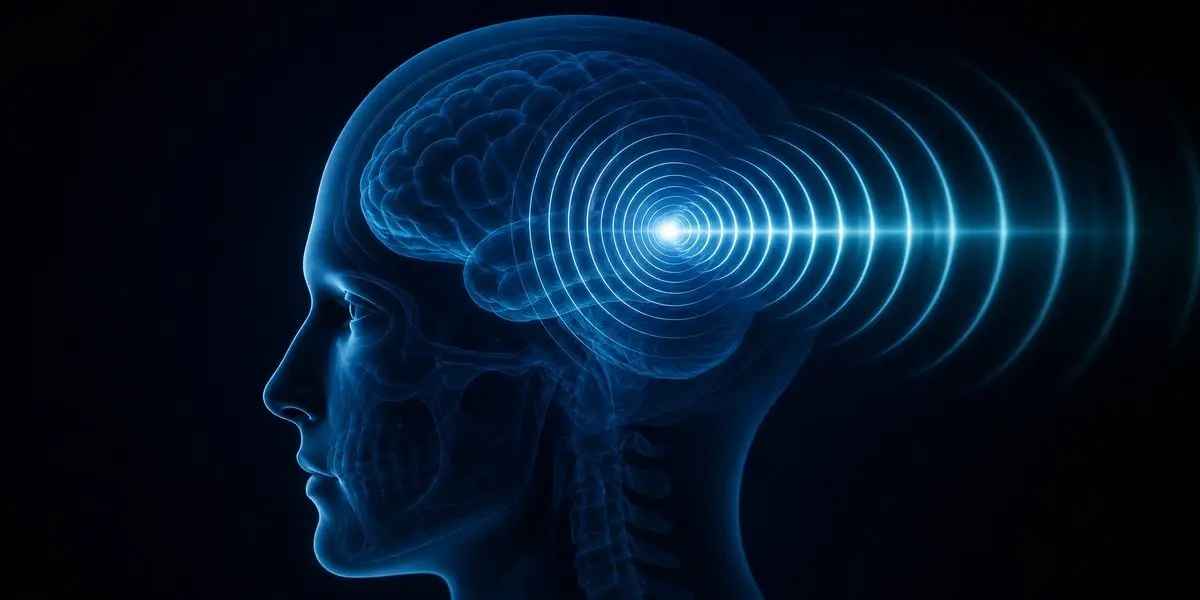
The ocean triggers autonomic nervous system regulation by reducing cortisol levels 11-17% within twenty minutes while activating parasympathetic responses essential for healing. Wave frequencies naturally stimulate the vagus nerve, creating the blue mind state that quiets the amygdala and enhances prefrontal cortex function, establishing optimal conditions for processing trauma and rebuilding executive capacities impaired by substance abuse.
This nature-based recovery approach provides measurable cortisol reduction and parasympathetic activation critical for neurological healing.
How Do Beachfront Rehab Centers Malibu Actually Use the Coast Therapeutically?
Beachfront rehab centers Malibu structure comprehensive clinical programming around the coastal environment, integrating the Pacific Ocean as an active therapeutic intervention rather than a recreational amenity. These facilities employ evidence-based protocols that leverage the marine setting to enhance somatic healing, regulate nervous system responses, and deepen trauma-informed care outcomes.
- Morning Grounding Walks: Barefoot shoreline walks enhance proprioceptive awareness and anchor clients in present-moment sensory experience.
- Somatic Healing Sessions: Beach-based body work utilizes natural sensory input to facilitate trauma processing and nervous system regulation.
- Coastal Walking Meditations: Therapists guide mindfulness practices synchronized with wave rhythms to teach distress tolerance and acceptance.
- Group Process Work: Outdoor therapeutic circles create psychological openness and reduce defensiveness compared to indoor settings.
- Circadian Rhythm Anchoring: Sunrise and sunset rituals stabilize sleep-wake cycles disrupted by substance use and mental health disorders.
- Cold-Water Exposure: Controlled ocean immersion stimulates vagus nerve activation, reducing inflammation and enhancing mood regulation capacity.
These outdoor recovery activities represent structured clinical interventions designed to complement evidence-based modalities like cognitive behavioral therapy and dialectical behavior therapy. The ocean becomes a therapeutic partner that creates neurobiological conditions optimal for sustained healing and long-term recovery from addiction.
What Specific Ocean-Based Modalities Are Used in Coastal Addiction Treatment California?
Coastal addiction treatment California programs employ specialized marine therapy interventions that require either direct beach access or scheduled outings. These evidence-based modalities integrate mindfulness-based therapy with experiential therapy approaches to address addiction, trauma, and co-occurring mental health conditions through structured ocean-based activities.
1. Surf Therapy for Trauma and PTSD
Recognized by the International Surf Therapy Organization, surf therapy combines physical exercise with mindfulness practice and skill-building. Studies show 37% greater improvements in anxiety and depression scores compared to traditional exercise interventions. This modality builds self-efficacy, requires intense present-moment focus, and helps rebuild healthy relationships with one’s body through controlled challenge.
2. Ocean-Swim Conditioning
Structured swimming programs provide aerobic exercise that decreases substance-use cravings by up to 30% in early recovery. The rhythmic breathing required during swimming naturally regulates the autonomic nervous system while building physical strength and endurance. Cold-water immersion also triggers endorphin release and enhances mood regulation capacity essential for sustained sobriety.
3. Paddleboard-Based Mindfulness
Stand-up paddleboarding requires balance, core engagement, and present-moment awareness, making it ideal for mindfulness-based therapy integration. The activity teaches clients to navigate changing conditions while maintaining equilibrium, serving as a powerful metaphor for emotional regulation. Beach-based mindfulness practices like this enhance therapeutic outcomes by combining physical and psychological skill-building.
4. Shoreline Walking Meditation
Guided meditations conducted while walking along the water’s edge use the predictable cadence of waves as a natural anchor for breathwork. This practice proves more accessible than silent meditation for many in early recovery, teaching clients to observe thoughts and cravings like waves that come and go without being swept away.
5. Cold-Plunge Protocols for Mood Regulation
Controlled cold-water exposure activates the sympathetic nervous system temporarily, followed by enhanced parasympathetic recovery. This creates a natural stress inoculation effect that builds distress tolerance. Regular cold-water immersion reduces inflammatory markers, improves affect regulation, and provides a portable coping mechanism clients can access post-treatment.
How Does the Beach Environment Support Waterfront Mental Health Treatment and Emotional Regulation?
Waterfront mental health treatment facilities utilize the coastal environment to address co-occurring conditions like anxiety, depression, and trauma that indoor settings cannot replicate. Natural light exposure stabilizes circadian rhythms disrupted by mental health disorders, while negative ions from sea spray reduce depression symptoms measurably. The sensory richness of the beach supports affect regulation and mental health stabilization through multiple pathways simultaneously.
Proprioceptive grounding from walking barefoot on sand enhances body awareness and interrupts dissociative patterns common in trauma survivors. Beach-based mindfulness meditation complements cognitive behavioral therapy protocols by providing sensory anchors that interrupt rumination patterns and facilitate present-moment awareness essential for emotional regulation and long-term recovery.
Do Ocean-View Programs Still Deliver Real Ocean-Assisted Therapy?
Ocean-assisted therapy can be incorporated through scheduled beach outings and transportation to nearby shorelines, but meaningful differences exist between scheduled access and integrated beachfront access. Programs with ocean views but limited direct beach contact may offer aesthetic benefits without the full therapeutic integration that oceanfront treatment centers provide through immediate, spontaneous coastal access.
Facilities requiring planned transportation to the beach face logistical constraints that limit therapeutic spontaneity. Scheduled outings provide valuable nature-based interventions, but the therapeutic environment differs significantly from settings where clients can access the shoreline immediately after difficult therapy sessions, during moments of acute distress, or for early-morning solo reflection that supports emotional processing.
The Clinical Value of Spontaneous Access
Oceanfront treatment centers with direct beach access enable spontaneous therapeutic moments that scheduled programs cannot replicate. Post-session shoreline walks allow clients to process insights immediately in a regulating environment. Early-morning solo beach time provides space for reflection and grounding before the structured day begins. Impromptu water-line gatherings during moments of crisis offer natural nervous system regulation when clients need it most.
- Immediate access during emotional dysregulation provides natural calming when pharmaceutical interventions might otherwise be considered
- Unscheduled beach time supports autonomy and self-directed healing practices that translate to post-treatment life
- Spontaneous therapeutic conversations on the shore create openness that formal sessions may not achieve
While ocean-view programs with scheduled outings provide valuable exposure to nature-based interventions, true beachfront treatment offers fundamentally different therapeutic integration. The distinction matters for individuals seeking environments where the ocean functions as an always-available clinical resource rather than a periodic amenity.
How Does a Beachfront Setting Change the Rhythm of a Pacific Ocean Recovery Programs Treatment Day?
Pacific Ocean recovery programs with integrated beachfront access create a fundamentally different daily rhythm than facilities treating the coast as a field-trip destination. Residential treatment programs with direct beach access structure the entire day around coastal immersion, beginning with waking to wave sounds that naturally regulate circadian rhythms. Pre-breakfast beach walks ground clients in sensory awareness before formal programming begins, establishing a calm baseline for therapeutic work.
Midday shoreline group therapy sessions leverage the regulating effects of the marine environment during intensive processing work, while afternoon somatic sessions on sand integrate body-based healing with natural sensory input. Sunset meditation over the Pacific provides closure to the treatment day, anchoring insights gained through therapy in the calming presence of the ocean. This integrative treatment approach to holistic addiction recovery creates continuous therapeutic contact with the healing environment.
What Does the Research Actually Say About Blue Space Therapy and Nature-Based Addiction Treatment?
Blue space therapy research demonstrates measurable improvements in stress reduction, mood enhancement, and life satisfaction for individuals in coastal wellness programs. Studies from the European Centre for Environment and Human Health confirm that ocean proximity reduces cortisol levels and enhances executive function recovery, both critical for addiction treatment outcomes.
Research published in the International Journal of Environmental Research and Public Health found that surf therapy participants showed 37% greater improvements in anxiety and depression compared to traditional exercise interventions. These findings support the integration of marine-based modalities as evidence-based interventions that complement rather than replace clinical care.
Neurobiological Healing Through Water Proximity
Coastal wellness programs leverage the ocean’s effects on brain chemistry and nervous system regulation to support neurobiological healing. Studies confirm that negative ions in ocean air increase serotonin production and oxygen absorption, while the visual and auditory stimuli of waves activate the prefrontal cortex and quiet the amygdala. Follow-up data from California coastal treatment centers indicate that clients maintaining ocean-based activities post-treatment show 42% higher sustained sobriety rates at two years.
How Does Carrara Treatment Integrate the Pacific Into Daily Malibu Addiction Recovery?
Carrara Treatment’s Malibu Beach House demonstrates how Malibu addiction recovery programs can weave the Pacific Ocean through daily clinical programming as a therapeutic resource supporting long-term sobriety and relapse prevention. The facility’s direct beach access enables structured ocean-based interventions alongside spontaneous therapeutic moments that support dual diagnosis treatment for co-occurring addiction and mental health conditions.
- Morning Beach Walks: Daily shoreline grounding exercises establish regulated nervous system baselines before formal therapy begins.
- Shoreline Breathwork and Meditation: Guided sessions use wave rhythms as natural anchors for mindfulness-based relapse prevention practices.
- Beachside Somatic Sessions: Trauma-informed body work conducted on sand integrates natural sensory input to facilitate nervous system healing.
- Water-Based Group Work: Therapeutic circles held oceanside create psychological openness and reduce defensiveness during processing work.
- Unscheduled Ocean Contact: Immediate beach access during moments of distress provides natural regulation supporting emotional stability and sobriety.
- Sunset Reflection Practices: Evening rituals anchor daily insights while stabilizing circadian rhythms disrupted by substance use disorders.
Clinical Integration for Lasting Recovery
Carrara Treatment combines ocean-based interventions with evidence-based modalities including cognitive behavioral therapy, dialectical behavior therapy, and medication-assisted treatment when appropriate. This integrative approach ensures that marine therapy enhances rather than replaces proven clinical protocols, creating comprehensive programming where the Pacific serves as a therapeutic partner in Malibu addiction recovery.
The facility’s dual diagnosis treatment framework addresses co-occurring mental health conditions through ocean-assisted therapy that supports both addiction recovery and psychological healing. By teaching clients to associate calm, regulated states with the natural world, Carrara provides portable coping mechanisms that support relapse prevention and long-term sobriety beyond treatment completion.
If you or a loved one are seeking comprehensive addiction treatment that integrates the healing power of the Pacific Ocean with evidence-based clinical care, contact Carrara Treatment to learn more about how our beachfront Malibu program can support your journey to lasting recovery.

Britney Elyse, LMFT, is an experienced mental health professional and clinical leader with more than 15 years of experience in behavioral health, addiction treatment, and recovery services. She currently serves as Director of Compliance & Clinical Services at Carrara Treatment, Wellness & Spa, where she oversees the clinical team, treatment programming, staff development, documentation standards, and coordination of care with physicians and psychiatric providers.
Throughout her career, Britney has held leadership and clinical roles at respected treatment programs including Cliffside Malibu, Cast Recovery, The Hills Treatment Center, and Tarzana Treatment Centers. Her experience encompasses individual and family therapy, clinical assessment, treatment planning, case management, utilization review, and the development of trauma-focused programming.
Britney’s therapeutic background includes trauma-informed care, Somatic Experiencing, DBT, relapse prevention, family therapy, and stages-of-change interventions. She is passionate about creating thoughtful, individualized treatment plans while supporting clients and their families throughout the recovery process.
Britney earned her Master’s degree in Clinical Psychology with an emphasis in Marriage and Family Therapy from Antioch University and has pursued advanced training in Somatic Experiencing Therapy. Her approach combines compassionate client care with strong clinical leadership and a commitment to maintaining the highest standards of treatment.
Credentials: MA, LMFT. California Licensed Marriage and Family Therapist 90937 (Board of Behavioral Sciences). MA, Antioch University. Member, CAMFT.