May 13, 2024
Last updated on October 8th, 2026 at 12:13 pm
In 2023, a record 112,000 people in the U.S. died after overdosing on drugs, including illicit drugs and prescription opioids. There are several psychological and pharmaceutical treatments available for addiction. Sadly, as many as 75% to 98% of patients relapse.
Deep brain stimulation (DBS), a non-pharmacological treatment is emerging as a promising approach for treating drug addiction.
Understanding Drug Addiction and the Brain’s Reward System
Drug addiction creates a self-perpetuating pattern in the brain, creating resistance to intervention. The brain’s reward system plays a crucial role in addiction.
Two key regions are involved:
- Ventral Tegmental Area (VTA): Releases dopamine, the feel-good chemical associated with pleasure.
- Nucleus Accumbens: Controls memory and behavior. This center reinforces addictive behavior.
Drugs overload this system, flooding it with dopamine and strengthening addiction-related connections.
The Role of Deep Brain Stimulation (DBS)
DBS is a neurosurgical procedure where electrodes are implanted to deliver electrical stimulation to specific brain regions.
Originally used for movement disorders, DBS is now being explored for addiction treatment. The goal is to cut off the pleasurable “high” associated with addiction by altering brain activity.
Promising Research Findings
Early studies show promise in suppressing the rapid dopamine increase responsible for the addictive “high.” Animal models and human research suggest that electrically stimulating reward-associated brain regions have the potential to decrease drug-seeking behavior. The exact mechanism behind this goal remains unclear.
The Role of Biomedical Engineering
Mayo Clinic researchers, including Dr. Hojin Shin and Dr. Yoonbae Oh, are at the forefront of these innovative techniques. They use flexible, thin carbon fiber electrodes to measure brain chemicals like dopamine and serotonin in real time. These insights help understand DBS effects on addiction.
In preclinical studies:
DBS treatment reduced dopamine flow to the nucleus accumbens (the brain’s reward center) by half. Rodent models of opioid addiction showed inhibited dopamine spikes when treated with DBS before opioid administration. DBS also prevented respiratory depression, a common cause of opioid overdose deaths. The reduction in Dopamine release, reduces the euphoria and allows for brain “rewiring” in how illicit drugs affect reward.
Funding by NIH grants will allow for crucial next steps. Preclinical studies and clinical trials of DBS as an experimental treatment hope to provide answers into the mechanism of action and clarify future applications of DBS in the treatment of addiction.
Paradigm Shift
Viewing addiction as a biological problem and addressing it with biological treatments like DBS represents a paradigm shift. DBS offers hope for breaking the cycle of addiction and improving patient outcomes with LASTING results.
Remember that while DBS shows promise, further research and clinical trials are required to fully understand its effectiveness and safety in treating drug addiction. If you have questions or need additional information, please inquire!
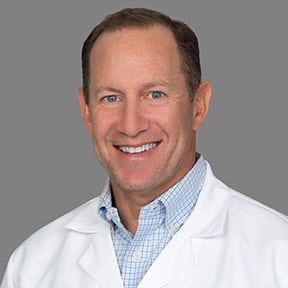
Senior Medical Officer, Carrara Treatment Wellness & Spa
Dr. Kenneth Spielvogel is a board-certified physician with nearly 30 years of clinical experience and a specialized focus on addiction medicine, metabolic health, hormonal optimization, and long-term recovery. As Senior Medical Officer at Carrara Treatment Wellness & Spa, he helps lead a physician-driven approach to recovery that integrates medical, psychological, and lifestyle interventions to support lasting healing.
A graduate of the George Washington University School of Medicine and residency-trained at the University of Colorado Health Sciences Center, Dr. Spielvogel is board-certified in Obstetrics and Gynecology. Throughout his distinguished career, he has cared for thousands of patients in areas including women’s health, hormone replacement therapy, fertility, prenatal care, minimally invasive surgery, and preventive medicine.
Witnessing the devastating impact of substance use disorders on patients and families inspired Dr. Spielvogel to expand his focus into addiction medicine. He has since dedicated years of continuing education and clinical practice to the treatment of substance use disorders, integrating evidence-based addiction care into both inpatient and outpatient settings.
Today, Dr. Spielvogel is particularly interested in the intersection of addiction medicine, metabolic health, and recovery. His work explores the role of GLP-1 therapies, hormonal health, exercise physiology, body composition, and biomarker-driven care in reducing cravings, improving overall health, and supporting sustainable recovery outcomes.
Known for his compassionate, patient-centered approach, Dr. Spielvogel believes in building strong relationships with those he serves, helping individuals make informed decisions about their health and recovery. Fluent in Spanish, he is committed to delivering culturally competent care to diverse patient populations.
Education & Credentials
- Medical Degree: George Washington University School of Medicine
- Residency: University of Colorado Health Sciences Center
- Board Certification: American Board of Obstetrics & Gynecology
Affiliations
- Senior Medical Officer, Carrara Treatment Wellness & Spa
- Consultant and Clinical Care Team Member, One Method Treatment Center
- MemorialCare Medical Group Long Beach
- Pediatrix Medical Group
Areas of Expertise
- Addiction Medicine
- Substance Use Disorder Treatment
- Medication-Assisted Treatment (MAT)
- GLP-1 Therapies and Recovery
- Hormonal Health & HRT
- Metabolic Health & Longevity
- Women’s Health
- Weight Management
- Recovery Planning & Relapse Prevention
- Family Education & Support
Credentials: MD, FACOG. California Physician and Surgeon license C55705 (Medical Board of California). Board certified in Obstetrics and Gynecology (American Board of Obstetrics and Gynecology). Member, American College of Obstetricians and Gynecologists. Clinical faculty, UC Irvine Department of Obstetrics and Gynecology, since 2016. NPI 1235104605.