June 4, 2026
Can GLP-1 Medications Help Reduce Opioid Cravings?
Medically Reviewed by Dr. Kenneth Spielvogel, MD, Senior Medical Officer at Carrara Treatment
Can GLP-1 medications help reduce opioid cravings? Recent clinical studies and real-world population data indicate that GLP-1 receptor agonists, such as semaglutide, significantly lower the risk of opioid overdose and decrease craving intensity. When integrated into a medically supervised treatment program, these metabolic medications provide a powerful, non-opioid pharmacological tool to support long-term recovery.
Key Takeaways
- Overdose Risk Reduction: Large-scale clinical studies show that patients with opioid use disorder taking semaglutide experience up to a 40% to 68% lower risk of opioid overdoses.
- Craving Suppression: Preliminary clinical data suggests that GLP-1 receptor agonists can reduce ambient opioid cravings by up to 40% in residential treatment settings.
- Dopamine Modulation: GLP-1 medications target receptors in the brain’s reward center, effectively turning down the “drug noise” and reducing the compulsive urge to use.
- Non-Opioid Adjunct: Unlike traditional medications for opioid use disorder, GLP-1 agonists are non-opioid and do not carry a risk of physical dependence or diversion.
- Off-Label Application: While highly promising, the use of GLP-1 medications for opioid addiction is currently off-label and must be managed under strict medical supervision.
The Opioid Crisis and the Urgent Need for Novel Treatments
The opioid epidemic remains one of the most devastating public health crises in modern history, claiming approximately 80,000 lives in the United States in 2024 alone [1]. Despite the widespread availability of traditional medications for opioid use disorder (MOUD), such as buprenorphine, methadone, and naltrexone, patients continue to face significant challenges. Relapse rates remain high, and many individuals struggle with persistent, intrusive cravings even while receiving optimal doses of standard maintenance therapies [2].
When a patient continues to use illicit or non-prescribed opioids despite being enrolled in a MOUD program, their risk of fatal overdose escalates dramatically. Currently, there are very few approved pharmacological options to assist these “treatment-refractory” individuals. This critical gap in addiction medicine has led researchers to explore novel, non-opioid-based interventions that can safely augment standard therapies. Parallel research on semaglutide for alcohol use disorder has accelerated this shift. The most promising breakthrough in this area involves repurposing glucagon-like peptide-1 (GLP-1) receptor agonists, a class of medications originally developed to treat type 2 diabetes and chronic weight management [3].
How GLP-1 Medications Target Opioid Addiction in the Brain
To understand how a metabolic medication can influence opioid addiction, it is necessary to examine the neurobiology of craving. Opioids exert their powerful addictive effects by flooding the brain’s mesolimbic dopamine system with dopamine, creating an intense, unnatural reward signal [3]. Over time, this chronic overstimulation rewires the brain’s reward pathways, linking environmental cues (such as stress, places, or emotions) to an overwhelming, compulsive urge to seek and use the drug.
GLP-1 receptor agonists mimic a natural gut-brain hormone that regulates blood sugar and signals fullness [3]. However, researchers have discovered that GLP-1 receptors are also highly concentrated in the brain’s key reward centers, specifically the ventral tegmental area (VTA) and the nucleus accumbens [3]. These are the exact regions responsible for modulating motivation, reward-seeking behavior, and craving.
By activating GLP-1 receptors in the mesolimbic system, medications like semaglutide modulate dopamine signaling [3]. They effectively blunt the exaggerated dopamine surge triggered by opioids and opioid-associated cues. In clinical terms, this neurobiological dampening quiets the constant, intrusive “drug noise” that drives compulsive seeking and relapse, allowing the brain’s self-control circuits to gradually rebuild.
What the Research Shows: Key Studies from 2024 to 2026
The scientific evidence supporting the use of GLP-1 medications for opioid use disorder has transitioned rapidly from anecdotal clinical observations to robust, large-scale epidemiological studies and active clinical trials.
The 2024 JAMA Network Open Study
A pivotal study published in JAMA Network Open in 2024 evaluated the relationship between semaglutide and opioid overdose risk [4]. Led by researchers at Case Western Reserve University, the study analyzed electronic health records of approximately 33,000 individuals diagnosed with both type 2 diabetes and opioid use disorder [4].
The researchers compared patients who initiated semaglutide to those prescribed other standard, non-GLP-1 diabetes medications [4]. Over a one-year follow-up period, the study found that patients taking semaglutide experienced a 42% to 68% lower risk of opioid overdose [4]. This dramatic reduction in life-threatening events suggests that semaglutide effectively decreases the high-risk, compulsive drug-seeking behavior that typically leads to accidental overdose.
The 2025 Addiction Study on Real-World Outcomes
These findings were further validated by a massive real-world data analysis published in the journal Addiction in 2025 [5]. Led by researchers at Loyola University Chicago, the study examined de-identified electronic health records from a database of over 503,000 individuals with a documented history of opioid use disorder [5].
The study tracked the incidence of opioid overdose events over a two-year period, comparing individuals prescribed GLP-1 receptor agonists to those who did not receive these medications [5]. The results revealed that patients on GLP-1 therapy had a 40% lower rate of opioid overdose events [5]. The consistency of this 40% risk reduction across multiple independent cohorts provides compelling evidence of a powerful, class-wide protective effect against the most severe harms of opioid addiction.
The 2026 BMJ Study (The Washington University/VA Cohort)
In March 2026, a comprehensive study published in The BMJ by researchers at Washington University School of Medicine in St. Louis provided the strongest evidence to date of a universal, cross-substance effect [6]. The team analyzed the electronic health records of 606,434 US veterans with type 2 diabetes, tracking both the development of new substance use disorders and the clinical outcomes of those with pre-existing addictions [6].
For veterans with a history of opioid use disorder, the initiation of a GLP-1 receptor agonist was associated with a 40% reduction in drug overdoses and a 50% reduction in drug-related deaths compared to those taking SGLT-2 inhibitors (an active comparator diabetes medication) [6]. Furthermore, veterans without a history of addiction who initiated GLP-1 therapy had a 25% lower risk of developing a new opioid use disorder over the three-year study period [6]. The same study found significant reductions in stimulant addiction risk as well.
| Clinical Outcome (Veterans with Pre-Existing OUD – 2026 BMJ Study) | Risk Reduction with GLP-1 Therapy |
|---|---|
| Drug-Related Mortality | 50% Reduction (HR 0.50) |
| Accidental Drug Overdose | 40% Reduction (HR 0.61) |
| SUD-Related Emergency Department Visits | 31% Reduction (HR 0.69) |
| SUD-Related Hospital Admissions | 26% Reduction (HR 0.74) |
Active Clinical Trials and Craving Data
While epidemiological studies provide invaluable population-level data, controlled clinical trials are currently underway to evaluate the direct impact of GLP-1 medications on opioid cravings and abstinence.
A phase II randomized, double-blind, placebo-controlled clinical trial protocol published in Addiction Science & Clinical Practice in 2025 outlines an ongoing study at Penn State University [7]. The trial is evaluating the efficacy of once-weekly semaglutide in 200 outpatient participants enrolled in a MOUD program (100 on buprenorphine and 100 on methadone) who continue to use non-prescribed opioids [7].
This trial was initiated following a pilot randomized controlled trial evaluating the GLP-1 receptor agonist liraglutide in a residential OUD population, which demonstrated a 40% reduction in ambient opioid cravings (measured via ecological momentary assessment) in the active treatment group compared to the placebo control [7].
Compliance and Safety: Off-Label Medical Supervision
It is critical to note that while the clinical data is exceptionally promising, GLP-1 receptor agonists are not currently FDA-approved for the treatment of opioid use disorder or craving reduction. Their use in addiction medicine is off-label [3].
At Carrara Treatment, any off-label prescribing of GLP-1 medications is conducted under strict medical supervision and is never utilized as a standalone treatment. GLP-1 medications are generally safe, but they require careful clinical screening to rule out contraindications (such as a personal or family history of medullary thyroid carcinoma or multiple endocrine neoplasia syndrome type 2) and to monitor for potential side effects, which most commonly include transient gastrointestinal symptoms such as nausea, vomiting, and abdominal discomfort [5]. Our clinical team has developed evidence-based protocols for managing these side effects to ensure patient comfort throughout treatment.
The Carrara Approach: A Multidimensional Model for Opioid Recovery
At Carrara Treatment, we recognize that while a medication like semaglutide can dramatically lower overdose risk and quiet the physical roar of cravings, “a pill is never the program” [3]. Lasting recovery from opioid addiction requires a comprehensive, multidimensional approach that addresses the physiological, psychological, and relational dimensions of the disease.
Under the direction of Dr. Kenneth Spielvogel, MD, Senior Medical Officer, Carrara integrates GLP-1 therapy into our sophisticated, four-stage integration protocol within our clinical medical program:
- Stage 1: Stabilization (Weeks 0–4): The immediate priority is safe, comfortable detoxification and acute medical stabilization [3]. We utilize standard, evidence-based medications for opioid use disorder (MOUD) alongside targeted nutraceuticals to calm the hyperactive nervous system, manage withdrawal, and protect cellular health [3].
- Stage 2: Metabolic Repair (Weeks 2–12): Once acute withdrawal has resolved, we introduce low-dose GLP-1 therapy to target persistent cravings and stabilize metabolic function [3]. By quietening the constant “mental noise” of addiction, the medication provides clients with the cognitive clarity and emotional stability necessary to engage deeply in intensive clinical therapies, including Dialectical Behavior Therapy (DBT), Cognitive Behavioral Therapy (CBT), and Somatic Trauma Therapy [3].
- Stage 3: Regeneration (Months 3–6): We focus on rebuilding physical resilience and restoring autonomic nervous system balance through progressive strength training, cold contrast therapy, infrared sauna sessions, and biofeedback-guided breathwork [3].
- Stage 4: Longevity and Thriving (Beyond 6 Months): We optimize long-term hormonal, cardiovascular, and nutritional health, ensuring that our clients have the physical vitality and psychological resources to sustain a vibrant, purposeful life in sobriety [3].
“At Carrara, we believe GLP-1 medications may represent one of the most important breakthroughs in addiction medicine in decades, not simply because they can reduce appetite, but because many patients report a meaningful reduction in cravings, compulsive reward-seeking, and the constant ‘mental noise’ surrounding alcohol, food, and other substances. We are seeing emerging evidence, supported by growing clinical experience, that these medications may help regulate the same reward and dopamine pathways that drive addictive behavior.”
“That said, we do not view GLP-1s as a standalone cure. At Carrara, they are integrated into a broader recovery and resilience model that includes exercise, metabolic optimization, behavioral treatment, nutrition, sleep, nervous system regulation, and long-term rebuilding of both physical and mental health.”
— Dr. Kenneth Spielvogel, MD, Senior Medical Officer, Carrara Treatment
Is GLP-1 Therapy Right for Your Recovery?
If you or a loved one is struggling with opioid addiction, persistent cravings, or has experienced multiple relapses despite traditional treatment, GLP-1 therapy may represent a vital new tool in your recovery toolkit.
To determine candidacy, our medical team conducts a comprehensive clinical evaluation, including detailed metabolic laboratory work, cardiovascular assessments, and psychiatric screenings.
For a confidential conversation about our comprehensive treatment programs and whether GLP-1 therapy may be appropriate for your situation, call (888) 383-5207.
Frequently Asked Questions
How do GLP-1 medications reduce opioid cravings?
GLP-1 medications reduce opioid cravings by acting on the brain’s mesolimbic reward system, specifically the ventral tegmental area and the nucleus accumbens. By modulating dopamine release, these medications blunt the artificial reward signals triggered by opioids, effectively quietening the constant “mental noise” and intrusive thoughts of drug use.
Can GLP-1 medications prevent an opioid overdose?
While GLP-1 medications themselves do not block opioid receptors like naloxone or naltrexone, large-scale clinical studies show that patients taking GLP-1s have a 40% lower risk of opioid overdose and a 50% lower risk of drug-related death. This is primarily because the medications significantly reduce the compulsive drive to use opioids.
Are GLP-1s used as a replacement for methadone or buprenorphine?
No, GLP-1 medications are not a replacement for FDA-approved medications for opioid use disorder (MOUD) like buprenorphine or methadone. Instead, they are utilized as an innovative, off-label supportive therapy within Carrara’s comprehensive medical program to provide an additional layer of craving suppression and metabolic stabilization.
References
[1] National Institutes of Health. Treating addiction: Research leads to more effective medications and psychotherapies. NIH Research Matters. March 24, 2026. Available at: https://www.nih.gov/news-events/nih-research-matters/treating-addiction.
[2] Volkow ND, Blanco C. The changing opioid crisis. Molecular Psychiatry. 2021;26:218-233. doi:10.1038/s41380-020-0661-4.
[3] Carrara Treatment. GLP-1 Medications for Addiction Treatment: What the Research Shows and How Carrara Is Leading. Available at: https://carraratreatment.com/glp-1-addiction-treatment/.
[4] Wang W, Volkow ND, Wang Q, et al. Semaglutide and Opioid Overdose Risk in Patients With Type 2 Diabetes and Opioid Use Disorder. JAMA Network Open. 2024;7(9):e2435247. doi:10.1001/jamanetworkopen.2024.35247.
[5] Qeadan F, McCunn A, Tingey B. The association between glucose-dependent insulinotropic polypeptide and/or glucagon-like peptide-1 receptor agonist prescriptions and substance-related outcomes in patients with opioid and alcohol use disorders: A real-world data analysis. Addiction. 2025;120(2):236-250. doi:10.1111/add.16679.
[6] Cai M, Choi T, Xie Y, Al-Aly Z. GLP-1RA and risks of substance use disorders among US veterans with type 2 diabetes: A cohort study. The BMJ. 2026;392:e086886. doi:10.1136/bmj-2025-086886.
[7] Freet CS, Shuler K, Kawasaki S, et al. Efficacy of the GLP-1 receptor agonist, semaglutide, in abstinence from illicit and nonprescribed opioids in an outpatient population with OUD: a randomized, double-blind, placebo-controlled clinical trial protocol. Addiction Science & Clinical Practice. 2025;20:89. doi:10.1186/s13722-025-00618-2.
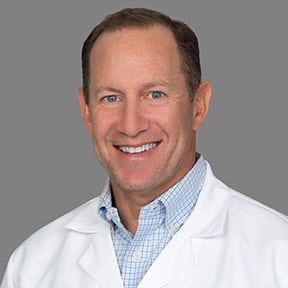
Senior Medical Officer, Carrara Treatment Wellness & Spa
Dr. Kenneth Spielvogel is a board-certified physician with nearly 30 years of clinical experience and a specialized focus on addiction medicine, metabolic health, hormonal optimization, and long-term recovery. As Senior Medical Officer at Carrara Treatment Wellness & Spa, he helps lead a physician-driven approach to recovery that integrates medical, psychological, and lifestyle interventions to support lasting healing.
A graduate of the George Washington University School of Medicine and residency-trained at the University of Colorado Health Sciences Center, Dr. Spielvogel is board-certified in Obstetrics and Gynecology. Throughout his distinguished career, he has cared for thousands of patients in areas including women’s health, hormone replacement therapy, fertility, prenatal care, minimally invasive surgery, and preventive medicine.
Witnessing the devastating impact of substance use disorders on patients and families inspired Dr. Spielvogel to expand his focus into addiction medicine. He has since dedicated years of continuing education and clinical practice to the treatment of substance use disorders, integrating evidence-based addiction care into both inpatient and outpatient settings.
Today, Dr. Spielvogel is particularly interested in the intersection of addiction medicine, metabolic health, and recovery. His work explores the role of GLP-1 therapies, hormonal health, exercise physiology, body composition, and biomarker-driven care in reducing cravings, improving overall health, and supporting sustainable recovery outcomes.
Known for his compassionate, patient-centered approach, Dr. Spielvogel believes in building strong relationships with those he serves, helping individuals make informed decisions about their health and recovery. Fluent in Spanish, he is committed to delivering culturally competent care to diverse patient populations.
Education & Credentials
- Medical Degree: George Washington University School of Medicine
- Residency: University of Colorado Health Sciences Center
- Board Certification: American Board of Obstetrics & Gynecology
Affiliations
- Senior Medical Officer, Carrara Treatment Wellness & Spa
- Consultant and Clinical Care Team Member, One Method Treatment Center
- MemorialCare Medical Group Long Beach
- Pediatrix Medical Group
Areas of Expertise
- Addiction Medicine
- Substance Use Disorder Treatment
- Medication-Assisted Treatment (MAT)
- GLP-1 Therapies and Recovery
- Hormonal Health & HRT
- Metabolic Health & Longevity
- Women’s Health
- Weight Management
- Recovery Planning & Relapse Prevention
- Family Education & Support