March 19, 2024
Last updated on August 21st, 2026 at 05:09 pm
While Fentanyl continues to dominate headlines, there are equally destructive drugs emerging that threaten the vulnerable. Also known as “tranq” or “tranq dope,” Xylazine has found its way into the illicit drug supply. Xylazine is often mixed with already dangerous substances like heroin, fentanyl, and cocaine. Let’s delve into the details of xylazine, its risks, and the impact it’s having on public health.
What Is Xylazine?
Xylazine was originally developed for veterinary use. It serves as a sedative, anesthetic, muscle relaxant, and analgesic for animals such as horses and cattle. Veterinarians often combine it with ketamine during anesthesia procedures. Xylazine is also used to induce vomiting in cats.
Xylazine is not approved for human use. Despite this, it has infiltrated the illegal drug market, leading to serious consequences. It is most often used as an additive to Cocaine, Fentanyl, or Heroin.
Not surprisingly, the majority of overdose deaths involve the mixture of Xylazine with Fentanyl. Chronic Fentanyl users claim they can tell when Xylazine or “tranq” is mixed with Fentanyl. They claim it “stretches out” a Fentanyl high. Xylazine gives a more pronounced hypnotic state when combined with Fentanyl or Cocaine. With increased amounts cut into other drugs, , users experience blackouts with complete amnesia not typical of Cocaine, Heroin or Fentanyl use alone.
The lacing of Cocaine, Heroin, or Fentanyl not only enhances hypnotic/sedative effect and potency, but the practice also increases the street value as Xylazine blending adds weight to these illicit drugs.
Xylazine is a potentially deadly and destructive agent.
Health Risks:
- Sedation: When used in humans, xylazine induces sedation.
- Breathing Difficulties: It can lead to dangerously low blood pressure and slowed heart rate.
- Wounds and Infections: Xylazine can cause wounds that become infected.
- Withdrawal Symptoms: Abrupt cessation can result in severe withdrawal symptoms.
- Fatality: In extreme cases, Xylazine overdose can be fatal.
The Opioid Crisis Connection:
- Emerging Threat: The White House’s Office of National Drug Control Policy has declared fentanyl mixed with xylazine an emerging threat.
- Increasing Presence: Xylazine has been detected in drug samples across the United States, with the South experiencing the largest increase.
- Overdose Impact: In some areas, xylazine’s involvement in drug overdose deaths has surged from less than 1% in 2015 to nearly 7% in 2020 with the combo of Fentanyl and Xylazine being the deadliest.
The Flesh-Eating Side Effect
Beyond its role in overdose deaths, xylazine leaves users with more than just a high. It can cause severe skin ulcers, soft-tissue wounds, and necrosis (premature skin death). The combination of Fentanyl and Xylazine is particularly prone to this worrisome side effect. The exact mechanism of why this occurs is poorly understood.
Reducing Harms and Raising Awareness
- Education: Public awareness campaigns are crucial to inform drug users about the dangers of xylazine.
- Harm Reduction: Those who use illegal drugs should be vigilant and seek help if they suspect exposure to xylazine.
- Community Efforts: Communities must collaborate to address this growing threat and prevent further casualties.
In conclusion, xylazine’s unexpected journey from veterinary clinics to the streets underscores the need for vigilance, research, and intervention. As we grapple with the opioid crisis, understanding the role of xylazine is essential to saving lives and safeguarding public health.
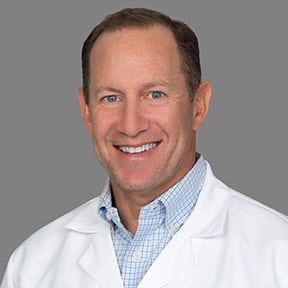
Senior Medical Officer, Carrara Treatment Wellness & Spa
Dr. Kenneth Spielvogel is a board-certified physician with nearly 30 years of clinical experience and a specialized focus on addiction medicine, metabolic health, hormonal optimization, and long-term recovery. As Senior Medical Officer at Carrara Treatment Wellness & Spa, he helps lead a physician-driven approach to recovery that integrates medical, psychological, and lifestyle interventions to support lasting healing.
A graduate of the George Washington University School of Medicine and residency-trained at the University of Colorado Health Sciences Center, Dr. Spielvogel is board-certified in Obstetrics and Gynecology. Throughout his distinguished career, he has cared for thousands of patients in areas including women’s health, hormone replacement therapy, fertility, prenatal care, minimally invasive surgery, and preventive medicine.
Witnessing the devastating impact of substance use disorders on patients and families inspired Dr. Spielvogel to expand his focus into addiction medicine. He has since dedicated years of continuing education and clinical practice to the treatment of substance use disorders, integrating evidence-based addiction care into both inpatient and outpatient settings.
Today, Dr. Spielvogel is particularly interested in the intersection of addiction medicine, metabolic health, and recovery. His work explores the role of GLP-1 therapies, hormonal health, exercise physiology, body composition, and biomarker-driven care in reducing cravings, improving overall health, and supporting sustainable recovery outcomes.
Known for his compassionate, patient-centered approach, Dr. Spielvogel believes in building strong relationships with those he serves, helping individuals make informed decisions about their health and recovery. Fluent in Spanish, he is committed to delivering culturally competent care to diverse patient populations.
Education & Credentials
- Medical Degree: George Washington University School of Medicine
- Residency: University of Colorado Health Sciences Center
- Board Certification: American Board of Obstetrics & Gynecology
Affiliations
- Senior Medical Officer, Carrara Treatment Wellness & Spa
- Consultant and Clinical Care Team Member, One Method Treatment Center
- MemorialCare Medical Group Long Beach
- Pediatrix Medical Group
Areas of Expertise
- Addiction Medicine
- Substance Use Disorder Treatment
- Medication-Assisted Treatment (MAT)
- GLP-1 Therapies and Recovery
- Hormonal Health & HRT
- Metabolic Health & Longevity
- Women’s Health
- Weight Management
- Recovery Planning & Relapse Prevention
- Family Education & Support