September 7, 2025
Last updated on October 8th, 2026 at 01:24 am
Neurofeedback therapy represents one of the most innovative and scientifically advanced approaches to addiction treatment available in luxury treatment centers, utilizing sophisticated EEG technology and real-time brainwave monitoring to help clients develop better self-regulation, emotional control, and cognitive function through neuroplasticity-based interventions. Luxury treatment centers have been early adopters of neurofeedback technology, recognizing its potential to provide clients with direct, measurable improvements in brain function while offering a high-tech, personalized approach to addiction recovery that aligns with the expectations of affluent individuals seeking the most advanced treatment modalities available. The integration of neurofeedback therapy into comprehensive addiction treatment programs represents a fundamental shift toward addressing the neurological aspects of addiction at the brain level, providing clients with tools for long-term recovery that go beyond traditional behavioral and psychological interventions to create lasting changes in neural patterns and brain function that support sustained sobriety and improved quality of life.
What Is Neurofeedback Therapy and How Does It Work for Addiction?
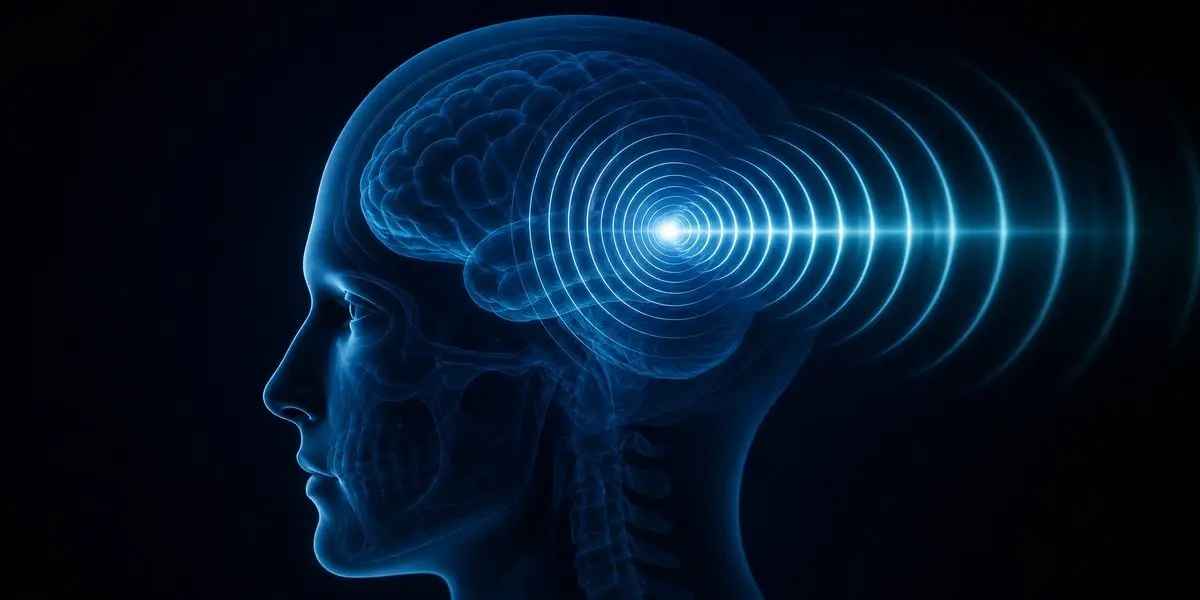
Neurofeedback therapy, also known as EEG biofeedback, is a non-invasive treatment approach that uses real-time monitoring of brainwave activity to help individuals learn to regulate their brain function and achieve more optimal neural states. SAMHSA neurofeedback initiatives demonstrate how the therapy involves placing electrodes on the scalp to measure electrical activity in the brain, which is then displayed on a computer screen in the form of visual or auditory feedback that allows clients to see their brainwave patterns in real-time. Through repeated training sessions, individuals learn to consciously influence their brainwave activity to achieve desired states such as increased relaxation, improved focus, reduced anxiety, and decreased cravings associated with substance use disorders.
The neuroplasticity principles underlying neurofeedback therapy are based on the brain’s ability to reorganize and form new neural connections throughout life in response to learning and experience. Addiction creates dysfunctional patterns of brain activity that contribute to cravings, poor impulse control, emotional dysregulation, and other symptoms that interfere with recovery. Neurofeedback therapy helps individuals retrain their brains to function more optimally by providing direct feedback about neural activity and rewarding desired brainwave patterns through positive reinforcement mechanisms.
That retraining puts the brain’s own capacity for change to work for recovery. “Our best bet in beating addiction is using the very mechanisms that cause it,” Carrara founder Richard Taite wrote in a September 2016 Psychology Today column on how addiction rewires the brain.
The EEG technology used in neurofeedback therapy can detect and measure different types of brainwaves including alpha waves (associated with relaxation and calm alertness), beta waves (associated with focused attention and cognitive processing), theta waves (associated with creativity and deep relaxation), and delta waves (associated with deep sleep and healing). By monitoring these different brainwave frequencies, neurofeedback systems can provide targeted training to help individuals achieve specific therapeutic goals such as reduced anxiety, improved focus, better sleep, and decreased substance cravings.
The real-time feedback mechanisms used in neurofeedback therapy typically involve visual displays such as games, movies, or graphics that respond to changes in brainwave activity, providing immediate reinforcement when desired brain states are achieved. For example, a client might watch a movie that becomes clearer and brighter when their brain produces the desired brainwave patterns, or play a game where success depends on maintaining optimal neural states. This immediate feedback helps accelerate the learning process and makes the training engaging and motivating for clients.
The training protocols used in neurofeedback therapy are typically customized based on individual client needs, symptoms, and treatment goals. Clinical research shows that different protocols may be used to address specific aspects of addiction such as reducing cravings, improving emotional regulation, enhancing cognitive function, or addressing co-occurring mental health conditions such as anxiety, depression, or ADHD that often accompany substance use disorders.
The session structure for neurofeedback therapy typically involves 30-60 minute training sessions conducted 2-3 times per week over a period of several weeks or months, depending on individual needs and treatment goals. During sessions, clients sit comfortably while electrodes monitor their brainwave activity and provide real-time feedback through computer-based training programs.
What Are the Specific Benefits of Neurofeedback for Addiction Recovery?
Neurofeedback therapy offers unique benefits for addiction recovery that complement traditional therapeutic approaches by directly addressing the neurological aspects of addiction and providing clients with measurable improvements in brain function and self-regulation capabilities.
Craving reduction is one of the most significant benefits of neurofeedback therapy for addiction recovery, as the training helps individuals develop better control over the neural patterns associated with substance cravings and urges. By learning to recognize and modify the brainwave patterns that precede or accompany cravings, clients can develop more effective strategies for managing urges and reducing the intensity and frequency of cravings that can trigger relapse episodes.
Emotional regulation improvements result from neurofeedback training that helps individuals achieve more balanced and stable emotional states through better neural self-regulation. Many individuals with substance use disorders struggle with emotional dysregulation, anxiety, depression, and mood swings that contribute to substance use as a coping mechanism. Neurofeedback therapy can help clients develop better emotional control and stability, reducing the need to use substances to manage difficult emotions.
Cognitive function enhancement is another important benefit of neurofeedback therapy, as the training can improve attention, concentration, memory, and executive function that are often impaired by chronic substance use. These cognitive improvements can enhance clients’ ability to engage effectively in other aspects of treatment, make better decisions, and develop the mental clarity and focus necessary for successful recovery and life management.
Carrara Senior Medical Officer Dr. Kenneth Spielvogel, MD, ties that toll on executive function to a specific circuit. “Because chronic use weakens the bridge between the reward center and the prefrontal cortex, that bridge has to be rebuilt,” he wrote in a July 2026 article on focused ultrasound research for addiction.
Sleep quality improvements often result from neurofeedback training that helps regulate the brainwave patterns associated with healthy sleep cycles. Sleep disturbances are common during addiction recovery and can significantly impact mood, cognitive function, and relapse risk. Neurofeedback therapy can help clients achieve better sleep quality and more regular sleep patterns, supporting overall recovery and well-being.
Stress and anxiety reduction are significant benefits of neurofeedback therapy, as the training helps individuals achieve more relaxed and calm brain states while developing better stress management capabilities. Chronic stress and anxiety are major risk factors for substance use and relapse, so developing better stress regulation through neurofeedback training can significantly enhance recovery outcomes and long-term sobriety maintenance.
Self-awareness and self-regulation skills developed through neurofeedback training provide clients with valuable tools for long-term recovery that extend beyond the treatment setting. The ability to recognize and modify one’s own neural states and emotional responses is a powerful skill that can be applied in various life situations to maintain sobriety, manage stress, and optimize mental and emotional well-being. When individuals seek comprehensive care that addresses the neurological aspects of addiction, luxury drug rehab centers provide access to advanced neurofeedback therapy as part of comprehensive treatment programs that combine cutting-edge technology with personalized clinical care.
Personal Empowerment
By watching their own brain activity respond during sessions, clients learn that they can influence how they feel and think in real time. This sense of control replaces helplessness with confidence, helping people trust their ability to manage stress, cravings, and difficult emotions without returning to substances over time.
How Is Neurofeedback Integrated into Luxury Treatment Programs?
Luxury treatment centers integrate neurofeedback therapy into comprehensive treatment programs through carefully designed protocols that combine this advanced technology with traditional therapeutic approaches to create synergistic treatment experiences that address multiple aspects of addiction simultaneously. The integration of neurofeedback therapy requires specialized equipment, trained technicians, and clinical protocols that ensure optimal outcomes while maintaining the high-quality, personalized care that characterizes luxury treatment settings.
Initial assessment and protocol development involve comprehensive evaluation of each client’s neurological function, addiction history, co-occurring conditions, and treatment goals to develop personalized neurofeedback training protocols. This assessment typically includes quantitative EEG (qEEG) brain mapping to identify specific areas of dysfunction or imbalance that can be targeted through neurofeedback training, ensuring that the therapy is tailored to individual needs and optimized for maximum effectiveness.
Treatment planning integration ensures that neurofeedback therapy is coordinated with other aspects of the treatment program including individual therapy, group counseling, medical care, and holistic interventions. The timing and frequency of neurofeedback sessions are carefully planned to complement other therapeutic activities and maximize the synergistic benefits of combined treatment approaches.
Technology and equipment selection involves investing in high-quality, medical-grade neurofeedback systems that provide accurate, reliable monitoring and training capabilities. Luxury treatment centers typically use advanced neurofeedback systems with sophisticated software, multiple training protocols, and comprehensive reporting capabilities that allow for precise monitoring of client progress and treatment outcomes.
Staff training and certification ensure that neurofeedback therapy is delivered by qualified technicians and clinicians who have received specialized training in EEG technology, neurofeedback protocols, and integration with addiction treatment. This training is essential for ensuring safe, effective delivery of neurofeedback therapy and optimal integration with other treatment components.
Progress monitoring and outcome assessment involve regular evaluation of client responses to neurofeedback training through objective measures such as qEEG changes, symptom assessments, and functional improvements. This monitoring allows treatment providers to adjust protocols as needed and document the effectiveness of neurofeedback therapy as part of the overall treatment program. Our comprehensive approach includes sophisticated neurofeedback therapy programs that are carefully integrated with other treatment modalities to provide clients with access to the most advanced and effective addiction treatment approaches available.
Quality assurance and safety protocols ensure that neurofeedback therapy is delivered safely and effectively while maintaining the highest standards of care. These protocols include equipment calibration, session monitoring, adverse event reporting, and ongoing evaluation of treatment outcomes to ensure that neurofeedback therapy provides maximum benefits while minimizing any potential risks or side effects.
Why Is Neurofeedback Best Used As Part Of A Holistic Treatment Plan?
Neurofeedback offers notable benefits on its own, but its full power emerges when it becomes one layer in a broader, carefully structured treatment plan. When combined with therapies that address thoughts, emotions, and behaviors, it provides a neurophysiological foundation that strengthens emotional stability and self-control in daily life.
- Cognitive behavioral therapy synergy: Neurofeedback can calm hyperactive brain states so clients arrive at CBT sessions more focused and open to change. With a steadier mind, it becomes easier to challenge distorted beliefs, practice new perspectives, and remember coping skills when stress or cravings appear.
- Support for medication-assisted care: When used alongside MAT, neurofeedback may help stabilize mood, sleep, and attention through natural self-regulation. Over time, this added stability can support thoughtful medication adjustments under medical supervision while still protecting safety and comfort in recovery.
- Deeper individual and group therapy: As clients gain awareness of their internal states, they often share more honestly in therapy and groups. Better concentration and reduced reactivity make it easier to stay present in difficult conversations, hear feedback, and build genuine connections with peers and clinicians.
- Enhanced mindfulness and somatic work: By improving brain regulation, neurofeedback can make practices like breathwork, body scanning, and yoga feel more accessible. Clients notice subtle shifts in tension or mood more quickly and can respond with tools that reconnect mind and body in a grounded, practical way.
- Stronger nutrition and lifestyle habits: Clearer thinking and better energy often follow regular neurofeedback sessions, which can increase motivation to follow through on healthy routines. Clients are more likely to honor meal plans, movement schedules, and sleep practices that protect their brain and reinforce recovery goals.
What Does Research Show About Neurofeedback Effectiveness?
Research on neurofeedback therapy for addiction treatment has demonstrated significant promise and effectiveness across multiple studies and clinical applications, with evidence showing improvements in various aspects of addiction recovery including craving reduction, emotional regulation, cognitive function, and long-term sobriety maintenance.
Craving and urge reduction studies have shown that neurofeedback therapy can significantly reduce the intensity and frequency of substance cravings in individuals with various types of addiction. Research has demonstrated reductions in craving scores of 30-50% or more following neurofeedback training, with improvements often maintained for extended periods after treatment completion. These reductions in cravings are associated with improved treatment retention and reduced relapse risk.
Relapse prevention research has shown that individuals who receive neurofeedback therapy as part of their addiction treatment have lower relapse rates compared to those who receive traditional treatment alone. Some studies have demonstrated relapse rate reductions of 20-40% among individuals who received neurofeedback training, with particularly strong effects for individuals with co-occurring mental health conditions such as anxiety or depression.
Cognitive function improvement studies have documented significant enhancements in attention, concentration, memory, and executive function following neurofeedback training.
Emotional regulation research has shown that neurofeedback therapy can improve emotional stability, reduce anxiety and depression symptoms, and enhance overall psychological well-being.
Neuroplasticity and brain function studies using neuroimaging techniques have demonstrated that neurofeedback therapy can produce measurable changes in brain structure and function, including improved connectivity between brain regions, normalized neurotransmitter activity, and enhanced neural efficiency. These neurological changes provide objective evidence of the mechanisms through which neurofeedback therapy produces its therapeutic benefits.
Long-term outcome research, while still emerging due to the relatively recent widespread adoption of neurofeedback therapy, has shown promising results in terms of sustained recovery, improved quality of life, and reduced healthcare utilization among individuals who received neurofeedback training as part of their addiction treatment. These long-term benefits suggest that the neural changes produced by neurofeedback therapy can provide lasting improvements that support ongoing recovery.
What Are the Limitations and Considerations for Neurofeedback Therapy?
While neurofeedback therapy offers significant benefits for addiction treatment, there are important limitations and considerations that must be understood and addressed to ensure appropriate implementation and realistic expectations for treatment outcomes. These considerations are particularly important in luxury treatment settings where clients may have high expectations for rapid and dramatic improvements from advanced therapeutic technologies.
Treatment duration and commitment requirements mean that neurofeedback therapy typically requires multiple sessions over several weeks or months to achieve optimal results. Unlike some interventions that may provide immediate benefits, neurofeedback therapy works through gradual retraining of brain function that requires consistent participation and patience to achieve lasting changes. Clients must be prepared for a commitment to regular training sessions and understand that benefits may develop gradually over time.
Individual variability in response means that not all clients will experience the same degree of benefit from neurofeedback therapy, and some individuals may be more responsive to the training than others. Factors such as age, addiction severity, co-occurring conditions, medication use, and individual neurological characteristics can influence treatment response and outcomes. Treatment providers must carefully assess individual suitability for neurofeedback therapy and adjust expectations accordingly.
Cost and accessibility considerations include the significant investment required for neurofeedback equipment, trained staff, and ongoing program maintenance. While luxury treatment centers can typically afford these investments, the cost of neurofeedback therapy may limit its availability in other treatment settings, potentially creating disparities in access to this advanced treatment modality.
Realistic expectations management is important to ensure that clients understand the potential benefits and limitations of neurofeedback therapy and have appropriate expectations for treatment outcomes. While neurofeedback therapy can provide significant benefits, it is not a cure for addiction.
The same realistic expectations apply to every brain-based technology. Dr. Spielvogel put it plainly in the same July 2026 article: “A craving is a symptom of a life. No device can reach a life.” That is why neurofeedback does its best work as one part of a comprehensive treatment plan.
How Does Neurofeedback Compare to Other Brain-Based Therapies?
Neurofeedback therapy is one of several brain-based therapeutic approaches available for addiction treatment, each with unique mechanisms of action, benefits, and applications. Understanding how neurofeedback compares to other brain-based therapies can help treatment providers and clients make informed decisions about optimal treatment approaches and combinations that best address individual needs and treatment goals.
Transcranial magnetic stimulation (TMS) is another brain-based therapy that uses magnetic fields to stimulate specific brain regions associated with addiction and craving. While TMS provides direct stimulation to targeted brain areas, neurofeedback therapy works through self-regulation training that helps individuals learn to control their own brain activity. Both approaches can be effective for addiction treatment, and some luxury centers offer both modalities as complementary interventions.
Cognitive behavioral therapy (CBT) and other psychotherapeutic approaches work primarily through conscious cognitive and behavioral change processes, while neurofeedback therapy directly targets unconscious neural patterns and brain function. The combination of neurofeedback therapy with traditional psychotherapy can provide synergistic benefits by addressing both conscious and unconscious aspects of addiction simultaneously.
Medication-assisted treatment (MAT) uses pharmacological interventions to modify brain chemistry and reduce cravings or withdrawal symptoms, while neurofeedback therapy uses non-pharmacological training to help individuals develop self-regulation skills. These approaches can be complementary, with neurofeedback therapy potentially enhancing the effectiveness of medications or providing an alternative for individuals who prefer non-medication approaches.
Mindfulness and meditation practices share some similarities with neurofeedback therapy in terms of developing self-awareness and self-regulation skills, but neurofeedback provides objective, real-time feedback about brain activity that can accelerate the learning process and provide more precise training than traditional mindfulness approaches alone.
Virtual reality therapy and other technology-based interventions may use similar high-tech approaches to treatment delivery, but neurofeedback therapy specifically targets brain function and neural self-regulation rather than providing immersive therapeutic experiences or exposure therapy. These different technology-based approaches can be combined to create comprehensive, multi-modal treatment programs. Luxury rehab treatment programs often integrate multiple brain-based therapies to provide clients with access to the most comprehensive and effective treatment approaches available.
Frequently Asked Questions
How many neurofeedback sessions are typically needed for addiction treatment?
Most individuals require 20-40 neurofeedback sessions over 10-20 weeks to achieve optimal results, though this varies based on individual needs and treatment goals.
Is neurofeedback therapy safe and are there any side effects?
Neurofeedback therapy is generally very safe with minimal side effects. Some individuals may experience temporary fatigue, mild headaches, or slight mood changes as their brain adjusts to new patterns, but these effects are typically mild and resolve quickly. The therapy is non-invasive and does not involve any medications or electrical stimulation.
How quickly can someone expect to see results from neurofeedback therapy?
Some individuals may notice improvements in sleep, relaxation, or mood within the first few sessions, while more significant changes in cravings, emotional regulation, and cognitive function typically develop over several weeks of consistent training. The timeline for results varies based on individual factors and treatment goals.
Is neurofeedback therapy covered by insurance?
Insurance coverage for neurofeedback therapy varies by provider and plan. Some insurance companies may cover neurofeedback when it is provided as part of a comprehensive addiction treatment program, while others may consider it experimental. Luxury treatment centers often include neurofeedback as part of their comprehensive program fees.
Who is a good candidate for neurofeedback therapy?
Most individuals with substance use disorders can benefit from neurofeedback therapy, particularly those who struggle with cravings, emotional regulation, anxiety, depression, or cognitive difficulties. The therapy is suitable for individuals of all ages and can be particularly helpful for those with co-occurring mental health conditions.
Conclusion
For individuals seeking the most advanced and comprehensive addiction treatment approaches, neurofeedback therapy represents an exciting opportunity to address addiction at the neurological level while developing valuable self-regulation skills that support long-term recovery. The integration of neurofeedback therapy into luxury treatment programs provides access to cutting-edge therapeutic approaches that can significantly enhance the treatment experience and improve recovery outcomes.
Recovery from addiction can be significantly enhanced through access to neurofeedback therapy that provides direct training in neural self-regulation while addressing the brain-based aspects of addiction that contribute to cravings, emotional dysregulation, and relapse risk. Our luxury treatment center provides access to advanced neurofeedback therapy programs as part of comprehensive treatment approaches that combine cutting-edge technology with personalized clinical care to address the complex neurological and psychological aspects of addiction. The future of addiction treatment will likely be characterized by continued integration of neurofeedback and other brain-based therapies with traditional therapeutic approaches, creating more effective, personalized, and scientifically advanced treatment experiences that can help more individuals achieve lasting recovery and optimal brain health.
Sources
- Richard Taite, “Here’s Why Your Brain Makes Quitting Drugs/Alcohol So Hard,” Psychology Today, September 16, 2016.
- Dr. Kenneth Spielvogel, MD, “Focused Ultrasound for Addiction: What the Science Shows,” Carrara Treatment, July 15, 2026.

Britney Elyse, LMFT, is an experienced mental health professional and clinical leader with more than 15 years of experience in behavioral health, addiction treatment, and recovery services. She currently serves as Director of Compliance & Clinical Services at Carrara Treatment, Wellness & Spa, where she oversees the clinical team, treatment programming, staff development, documentation standards, and coordination of care with physicians and psychiatric providers.
Throughout her career, Britney has held leadership and clinical roles at respected treatment programs including Cliffside Malibu, Cast Recovery, The Hills Treatment Center, and Tarzana Treatment Centers. Her experience encompasses individual and family therapy, clinical assessment, treatment planning, case management, utilization review, and the development of trauma-focused programming.
Britney’s therapeutic background includes trauma-informed care, Somatic Experiencing, DBT, relapse prevention, family therapy, and stages-of-change interventions. She is passionate about creating thoughtful, individualized treatment plans while supporting clients and their families throughout the recovery process.
Britney earned her Master’s degree in Clinical Psychology with an emphasis in Marriage and Family Therapy from Antioch University and has pursued advanced training in Somatic Experiencing Therapy. Her approach combines compassionate client care with strong clinical leadership and a commitment to maintaining the highest standards of treatment.
Credentials: MA, LMFT. California Licensed Marriage and Family Therapist 90937 (Board of Behavioral Sciences). MA, Antioch University. Member, CAMFT.